
 June 2, 2026
Being self-employed offers flexibility, independence, and the opportunity to grow your own business. Whether you’re a freelancer, consultant, online seller, content creator, entrepreneur, or small business owner, managing your finances effectively is essential. One tool that can help is a credit card designed to complement your spending habits and financial goals.
However, self-employed individuals often have different financial needs than traditional employees. Irregular income, business expenses, and the need for cash flow management make choosing the right credit card especially important.
In this guide, we’ll explore the best types of credit cards for self-employed individuals and the features you should prioritize when selecting one.
Why Self-Employed Individuals Need the Right Credit Card
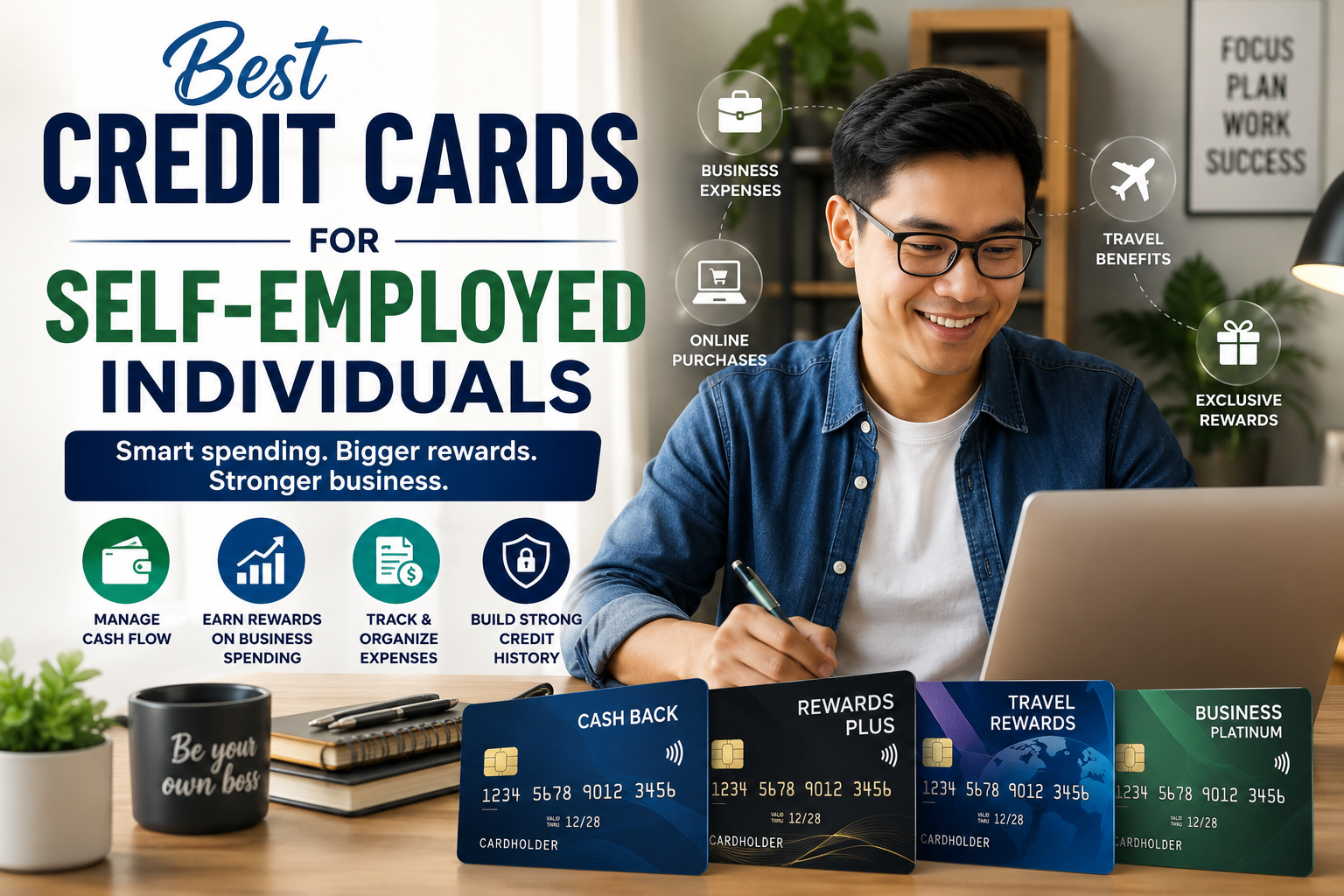
A credit card can do much more than provide purchasing power. When used responsibly, it can help:
- Separate personal and business expenses
- Improve cash flow management
- Earn rewards on recurring spending
- Build a positive credit history
- Track expenses more efficiently
- Provide emergency financial flexibility

The key is finding a card that aligns with your spending patterns and financial objectives.
Features Self-Employed Individuals Should Look For
Before comparing credit cards, consider the features that can provide the greatest value.
Flexible Credit Limits
Business expenses can vary significantly from month to month. A higher credit limit can provide additional flexibility during busy periods or when unexpected costs arise.
Rewards on Business Spending
Look for cards that offer rewards on common business purchases such as:
- Office supplies
- Internet and telecommunications
- Advertising and marketing
- Travel expenses
- Fuel purchases
- Software subscriptions
Expense Tracking Tools
Many modern credit cards provide online statements, spending categorization, and budgeting tools that simplify bookkeeping and tax preparation.
Low Annual Fees
Since profitability matters when you’re self-employed, choosing a card with reasonable annual fees can help reduce unnecessary costs.
Strong Security Features
Fraud protection, transaction alerts, virtual cards, and purchase protection are valuable features for business owners who frequently make online purchases.
Best Credit Card Types for Self-Employed Individuals
Cashback Credit Cards
Cashback cards are among the most practical options for freelancers and entrepreneurs.
Benefits include:
- Earn cash rewards on everyday spending
- Simple redemption process
- Immediate financial value
- Great for recurring business expenses
If you regularly spend on fuel, utilities, internet services, or online advertising, cashback rewards can generate meaningful savings throughout the year.

Rewards Credit Cards
Rewards cards allow you to accumulate points that can be redeemed for merchandise, gift cards, travel, or statement credits.
These cards are ideal for:
- Consultants
- Freelancers
- Online entrepreneurs
- Small business owners with moderate monthly spending
The more you spend responsibly, the more opportunities you have to earn rewards.
Travel Credit Cards
If your work requires frequent travel, a travel-focused credit card can offer significant benefits.
Common perks include:
- Airline miles
- Airport lounge access
- Travel insurance
- Hotel discounts
- Foreign transaction benefits
Freelancers attending conferences or entrepreneurs meeting clients in different locations may find substantial value in these features.
Low-Interest Credit Cards
Some self-employed individuals experience fluctuating monthly income.
A low-interest card can help by:
- Reducing financing costs
- Providing flexibility during slower months
- Lowering the impact of carrying a balance when necessary
However, carrying balances should still be minimized whenever possible.
Business Credit Cards
Dedicated business credit cards are designed specifically for entrepreneurs and small business owners.
Advantages include:
- Higher spending limits
- Employee card options
- Detailed expense reporting
- Business-focused rewards
- Better separation of personal and business finances
For growing businesses, these cards often provide the most comprehensive financial management tools.
How Self-Employed Individuals Can Improve Approval Chances
One challenge many freelancers and entrepreneurs face is proving income stability during the application process.
Keep Accurate Financial Records
Banks may request:
- Tax returns
- Bank statements
- Business permits
- Financial statements
- Proof of income
Organized records can significantly improve your application profile.
Maintain a Healthy Bank Account
Regular deposits and a positive banking history can demonstrate financial stability.
Build a Strong Credit History
Pay bills on time, manage existing debts responsibly, and avoid excessive borrowing.
Apply for Cards Matching Your Income Level
Avoid applying for premium cards if you do not meet the stated requirements. Starting with an entry-level card and upgrading later can be a more successful strategy.

Common Credit Card Mistakes Self-Employed Individuals Should Avoid
Even the best credit card can become problematic if used improperly.
Avoid these common mistakes:
Mixing Personal and Business Expenses
Keeping transactions separate makes budgeting and tax preparation much easier.
Missing Payment Deadlines
Late payments can lead to:
- Interest charges
- Penalty fees
- Credit score damage
Applying for Too Many Cards
Multiple applications within a short period may reduce approval odds and create unnecessary financial complexity.
Carrying Large Balances
High balances can increase interest costs and negatively impact your credit profile.
Ignoring Rewards Programs
Many self-employed individuals leave valuable rewards unclaimed simply because they don’t understand their card’s benefits.
Choosing the Right Credit Card Based on Your Profession
For Freelancers
Best options:
- Cashback cards
- Low-fee rewards cards
- Flexible spending cards
For Online Sellers
Best options:
- Cashback cards for shipping and advertising
- Business credit cards
- Rewards cards with e-commerce benefits
For Consultants
Best options:
- Travel rewards cards
- Premium rewards cards
- Business credit cards
For Small Business Owners
Best options:
- Business credit cards
- High-limit cashback cards
- Expense-management focused cards
Final Thoughts
The best credit card for a self-employed individual depends on spending habits, business needs, and financial goals. Cashback cards can provide immediate savings, rewards cards offer flexibility, travel cards benefit frequent travelers, and business credit cards help entrepreneurs manage expenses more efficiently.
Before applying, carefully evaluate annual fees, rewards structures, interest rates, and approval requirements. Most importantly, use your credit card responsibly by paying balances on time and keeping spending within your means.
With the right credit card strategy, self-employed professionals can improve cash flow, earn valuable rewards, and strengthen their overall financial position while supporting the growth of their business.