
 February 12, 2026
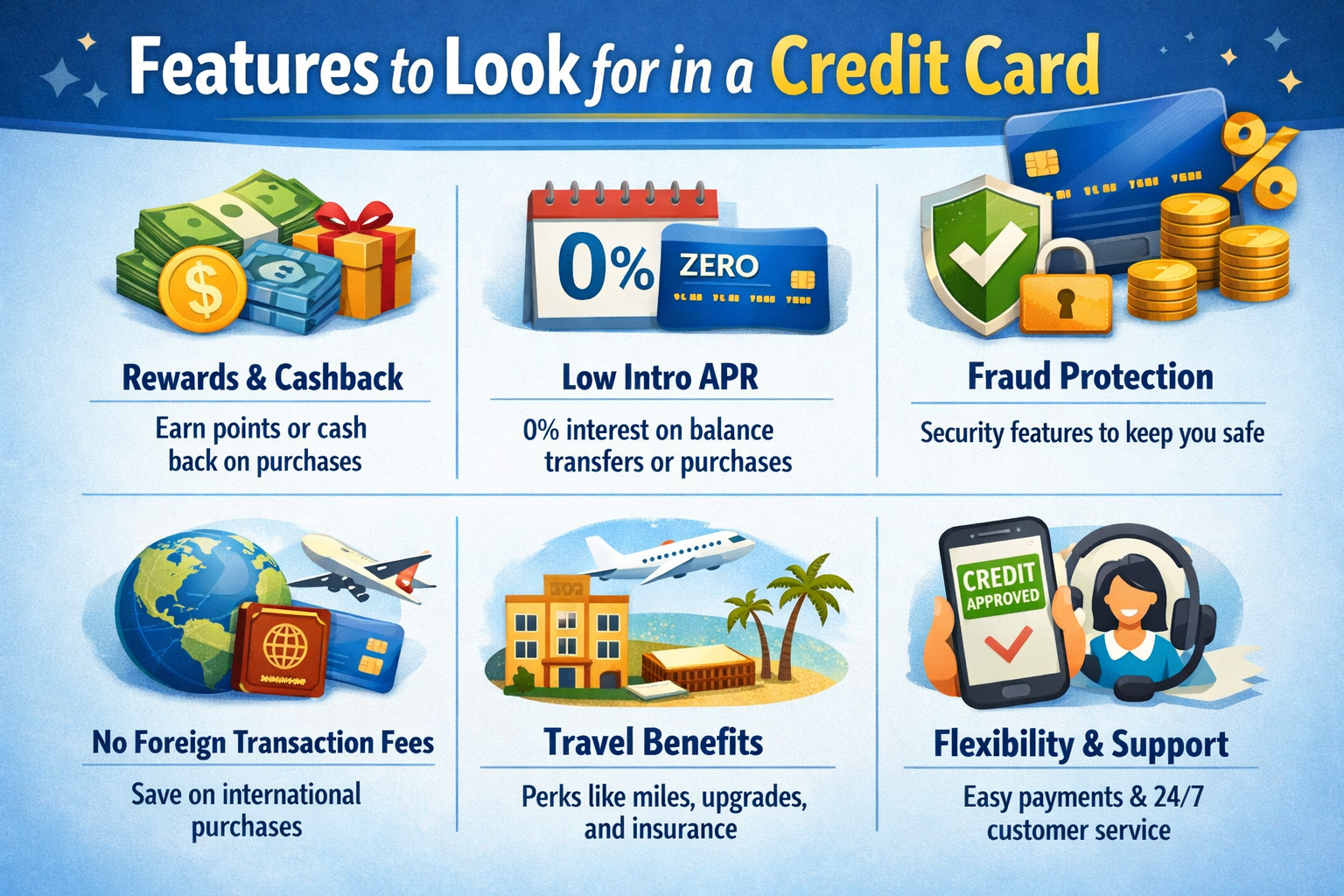
Choosing the right credit card can make a huge difference in your financial life. Credit cards are no longer just tools for convenience; they can be powerful financial instruments that help you earn rewards, build credit, manage cash flow, and access exclusive perks. Whether you’re a first-time cardholder or someone looking to upgrade, understanding what to look for in a credit card is essential.
As we step into 2026, the credit card landscape continues to evolve. Banks and fintech companies are offering innovative features, better rewards, and enhanced security to meet modern consumer needs. With so many options available, it’s easy to feel overwhelmed. That’s why this guide focuses on the top 8 features to look for in a credit card in 2026, with practical tips on what to prioritize and how each feature can benefit you.
1. Low or Competitive Interest Rates
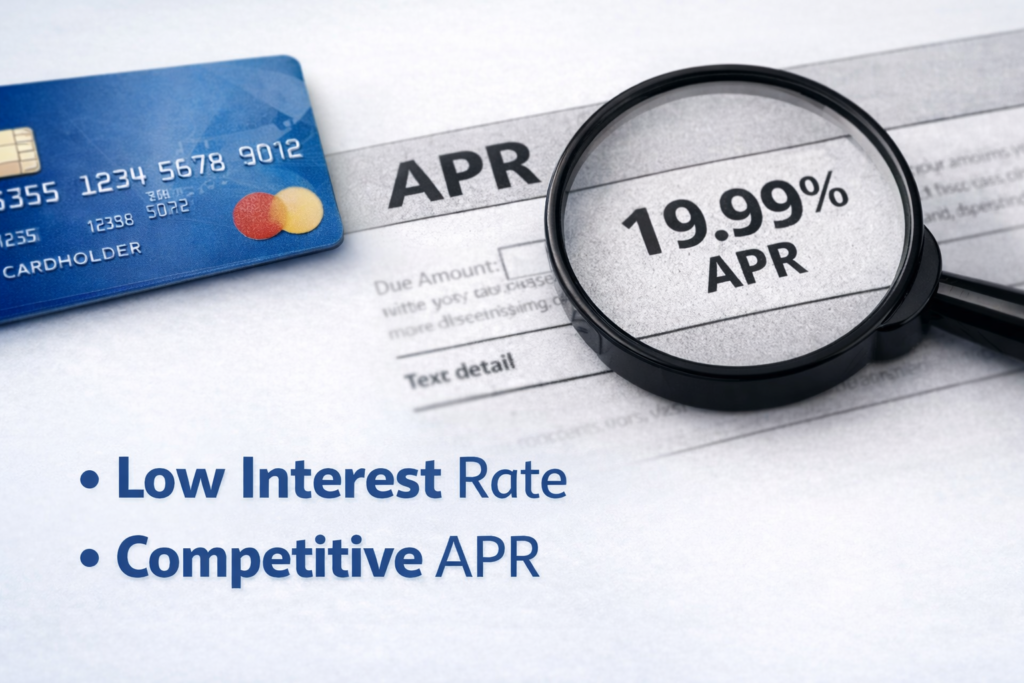
Interest rates, also known as the Annual Percentage Rate (APR), determine how much extra you’ll pay if you carry a balance on your credit card. While it’s always best to pay your balance in full, life happens—unexpected expenses, medical bills, or temporary cash flow issues can mean carrying a balance. In these situations, having a low or competitive APR is crucial.
What to look for:
- Low standard APR: Look for cards with rates below the national average to save on interest.
- Introductory 0% APR deals: Some cards offer zero-interest periods for new purchases or balance transfers, which can be a lifesaver for large purchases.
- Low balance transfer rates: If you plan to transfer existing debt from one card to another, a low rate helps reduce financial strain.
Why it matters: A lower interest rate reduces the cost of borrowing and allows you to manage debt more responsibly. It also gives you flexibility to handle emergencies without worrying about excessive interest charges.
Example: If your card has a 20% APR and you carry a $10,000 balance, the interest alone can cost you nearly $200 per month. A card with a 12% APR would save you almost $80 monthly, adding up to significant savings over a year.
2. Reward Programs and Cashback Opportunities
Rewards programs have become a major selling point for credit cards. Today, many cards offer points, cashback, or miles that can be redeemed for travel, shopping, or even everyday purchases.
What to look for:
- High cashback categories: Look for cards that reward spending on groceries, dining, online shopping, or utility bills.
- Flexible points redemption: Some programs let you convert points into cash, gift cards, or travel vouchers.
- Bonus rewards for new sign-ups: Many cards give additional points or cashback for meeting a minimum spending requirement in the first few months.
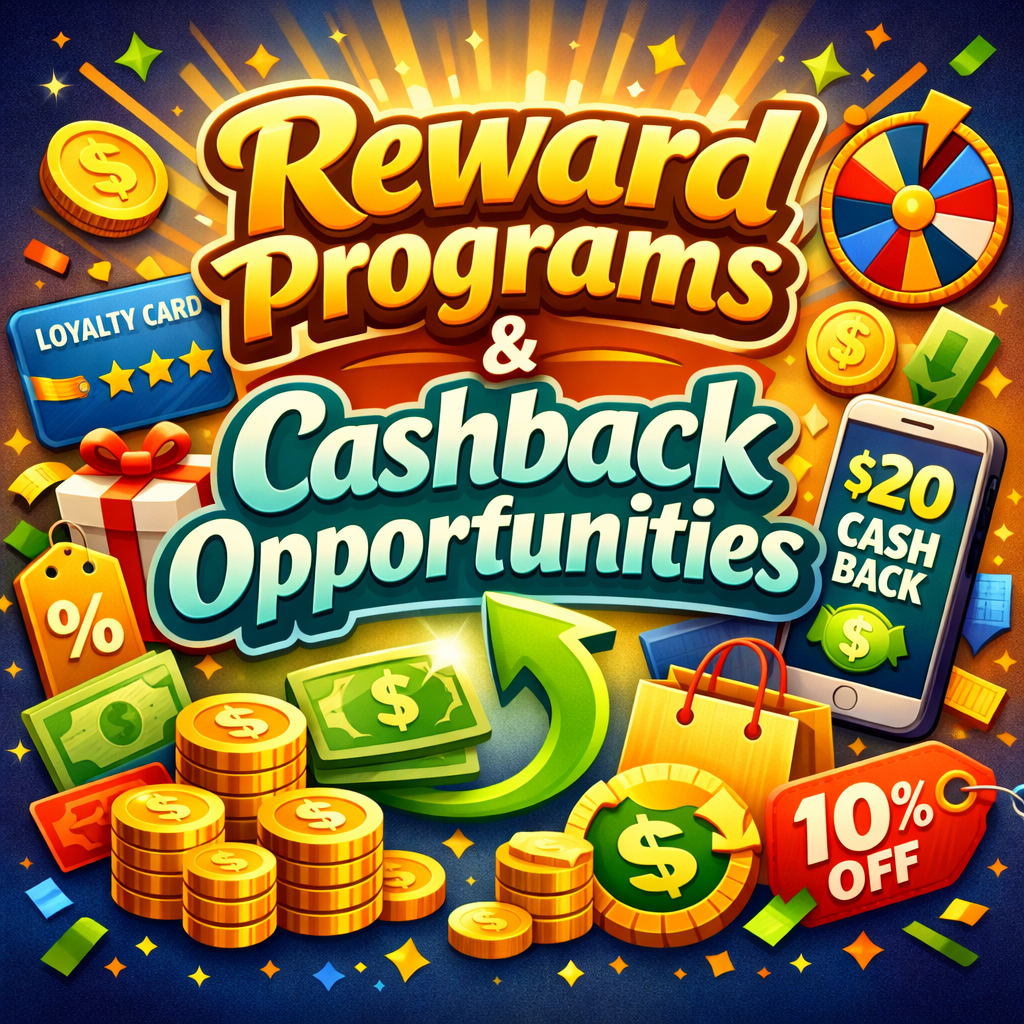
Why it matters: With the right rewards card, everyday purchases can turn into real savings or experiences. For example, using a cashback card for groceries and fuel can effectively reduce your monthly expenses.
Example: A card offering 5% cashback on groceries and 2% on dining can save a family of four hundreds of pesos every month, adding up to thousands in a year.
3. Travel and Lifestyle Perks
Credit cards aren’t just about money—they’re also about experiences. Travel-focused and lifestyle cards are becoming increasingly popular, offering perks that go beyond spending.
What to look for:
- Free airport lounge access: Long layovers can be much more comfortable in a lounge with food, Wi-Fi, and seating.
- Comprehensive travel insurance: Covers lost luggage, medical emergencies, or flight cancellations.
- No foreign transaction fees: Avoid unnecessary charges while traveling abroad.

Why it matters: Travel perks improve comfort and reduce out-of-pocket costs. Frequent flyers can benefit from lounge access, insurance coverage, and even concierge services.
Example: A premium travel card may cover your trip insurance up to $50,000, saving you from buying separate insurance and giving peace of mind during your travels.
4. Advanced Security Features
With online shopping and digital payments on the rise, security is more important than ever. Credit cards now come with robust security measures to protect your money and personal information.
What to look for:
- Contactless payment capabilities: Reduces physical contact and the risk of skimming.
- Two-factor authentication: Adds an extra layer of security for online transactions.
- Instant fraud alerts: Receive notifications for suspicious activity to take immediate action.
- Virtual card numbers: Allows safer online shopping by using temporary numbers instead of your actual card.
Why it matters: Protecting your finances prevents unauthorized charges, identity theft, and potential financial loss.
Example: If a hacker gains access to your card details online, virtual numbers and instant alerts can prevent fraudulent transactions before they happen.
5. Digital and Mobile-Friendly Features
The modern credit card isn’t just plastic—it’s integrated with technology. Mobile apps and digital wallets allow cardholders to manage their accounts, pay bills, and monitor spending in real-time.
What to look for:
- Mobile banking apps: Monitor balances, pay bills, and track transactions instantly.
- Digital wallet compatibility: Apple Pay, Google Pay, or Samsung Pay make payments quick and contactless.
- Instant lock/unlock: Pause your card instantly in case of misplacement.
- Spending analytics and budgeting tools: Some apps categorize spending and help track budgets.
Why it matters: Mobile features make managing finances simpler, safer, and more efficient.
Example: A digital wallet allows you to pay for groceries with just your phone while tracking cashback rewards automatically in the app.
6. Flexible Credit Limits and Upgrade Options
Your credit card should grow with you. As your income increases or your spending habits evolve, a card that offers flexible limits and upgrade options ensures it remains relevant to your needs.
What to look for:
- Ability to request higher credit limits: Provides extra spending power when needed.
- Automatic or easy upgrades: Some banks offer premium card options with better perks without reapplying.
- Access to additional benefits: Higher-tier cards often include exclusive rewards and concierge services.
Why it matters: A card that adapts to your financial growth ensures you have sufficient credit and perks when you need them most.
Example: A young professional may start with a standard card but can upgrade to a premium card offering travel insurance, lounge access, and higher rewards once their income increases.
7. Promotional Offers and Introductory Benefits
Promotional offers are a smart way to maximize the value of a new credit card. They can include interest-free periods, discounts, or bonus rewards.
What to look for:
- 0% APR for new purchases or balance transfers: Allows large purchases without paying interest for a limited period.
- Welcome rewards points or cashback: Extra incentives for reaching a minimum spending target.
- Discounts at partner merchants: Some cards offer deals at restaurants, online stores, and subscription services.
Why it matters: Introductory offers give immediate value and allow cardholders to try out a card’s benefits without long-term commitment.
Example: A card offering 0% APR for six months on a new laptop purchase can save hundreds in interest, making a significant financial difference.
8. Customer Support and Accessibility
Even the best credit card is only as good as the support behind it. Reliable customer service ensures that any issues, questions, or emergencies are handled promptly.
What to look for:
- 24/7 support through multiple channels: Phone, chat, and email access at all times.
- Quick dispute resolution: For fraudulent charges or billing errors.
- Transparent policies: Clear communication on fees, penalties, and interest ensures no surprises.
Why it matters: Excellent support provides peace of mind and ensures that you’re never stranded in emergencies.
Example: If your card is lost abroad, a responsive customer support team can block it immediately and help issue a replacement, preventing potential fraud.
Final Thoughts
Choosing the right credit card in 2026 isn’t just about interest rates or rewards—it’s about a balanced combination of security, convenience, flexibility, and perks. Every cardholder’s needs are unique, and the best card is one that complements your lifestyle, spending habits, and financial goals.
By keeping an eye on these top 8 features, you can select a card that maximizes rewards, protects your finances, and adapts as your life changes. Remember, a credit card is more than just a payment tool—it’s a financial partner.
Use it wisely, spend responsibly, and take full advantage of the perks and benefits available in 2026 and beyond. The right card can help you save money, earn rewards, and make everyday purchases more convenient and rewarding.