
 February 16, 2026
Let’s be honest—credit cards can be confusing. Every bank claims their card is packed with unbeatable perks, exclusive rewards, and “limited-time offers.” But once you look past the flashy marketing, choosing the right credit card really comes down to something simple: how you spend, how you manage money, and what you want in return.
Some cards reward you for traveling. Others help you pay off debt. Some are built for beginners, while others are designed for business owners juggling expenses. The key is understanding the differences so you can choose confidently—not impulsively.
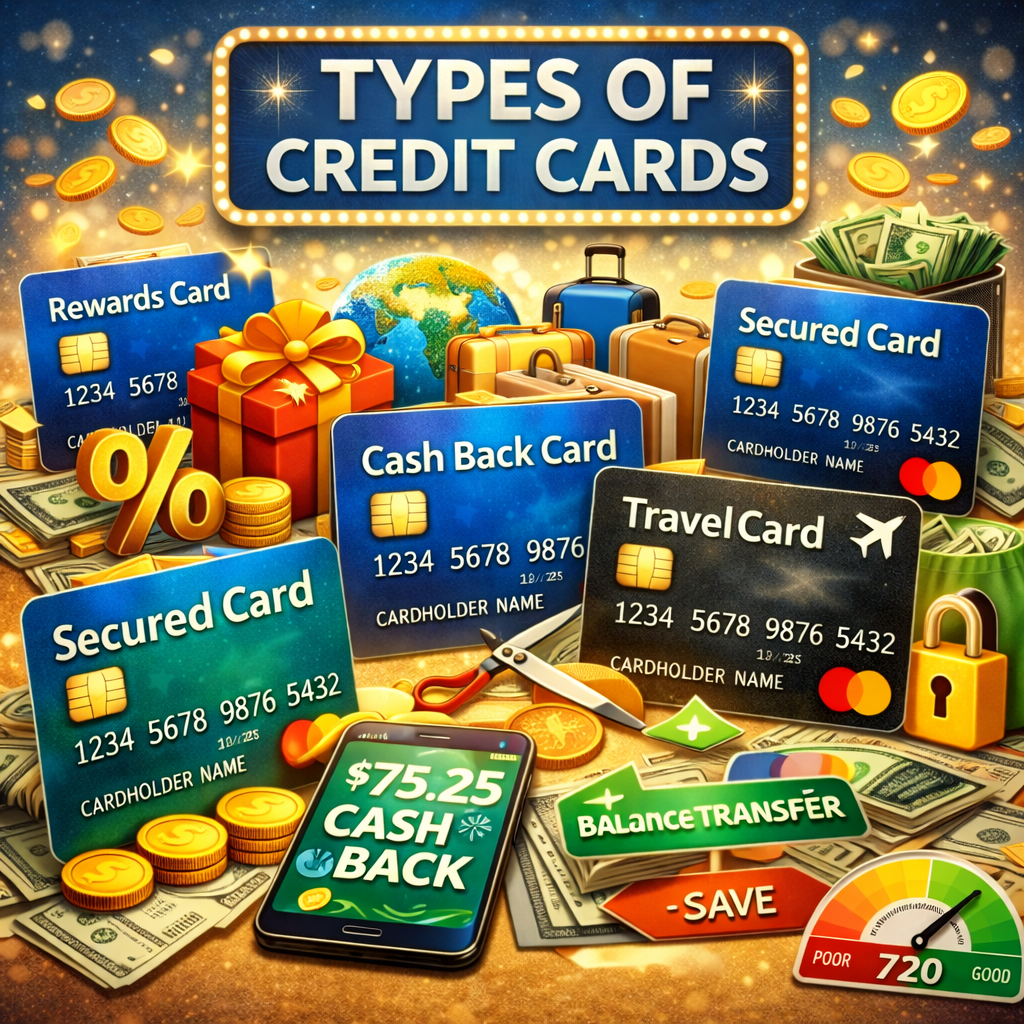
Let’s take a deeper look at the seven main types of credit cards and figure out which one actually fits your life.
1. Rewards Credit Cards
Rewards credit cards are often the most popular—and for good reason. They allow you to earn points or miles every time you make a purchase. Whether you’re buying groceries, filling up your gas tank, or paying for streaming subscriptions, you’re stacking up rewards along the way.

What makes these cards appealing is flexibility. Points can usually be redeemed for travel, gift cards, merchandise, or even statement credits. Some programs even allow you to transfer points to airline or hotel partners for potentially greater value.
However, rewards cards work best for people who pay off their balances in full every month. Interest charges can quickly cancel out the value of the rewards you earn. Many of these cards also come with higher APRs, so responsible use is essential.
Best for: Individuals who use their credit card regularly and pay it off consistently.
Not ideal for: Anyone who tends to carry a balance month to month.
If you love the idea of getting “something back” from everyday spending and you’re disciplined with payments, a rewards card can be a smart choice.
2. Travel Credit Cards
If your suitcase gets more use than your closet, a travel credit card might feel tailor-made for you. These cards are specifically designed for people who travel frequently—whether for business or leisure.
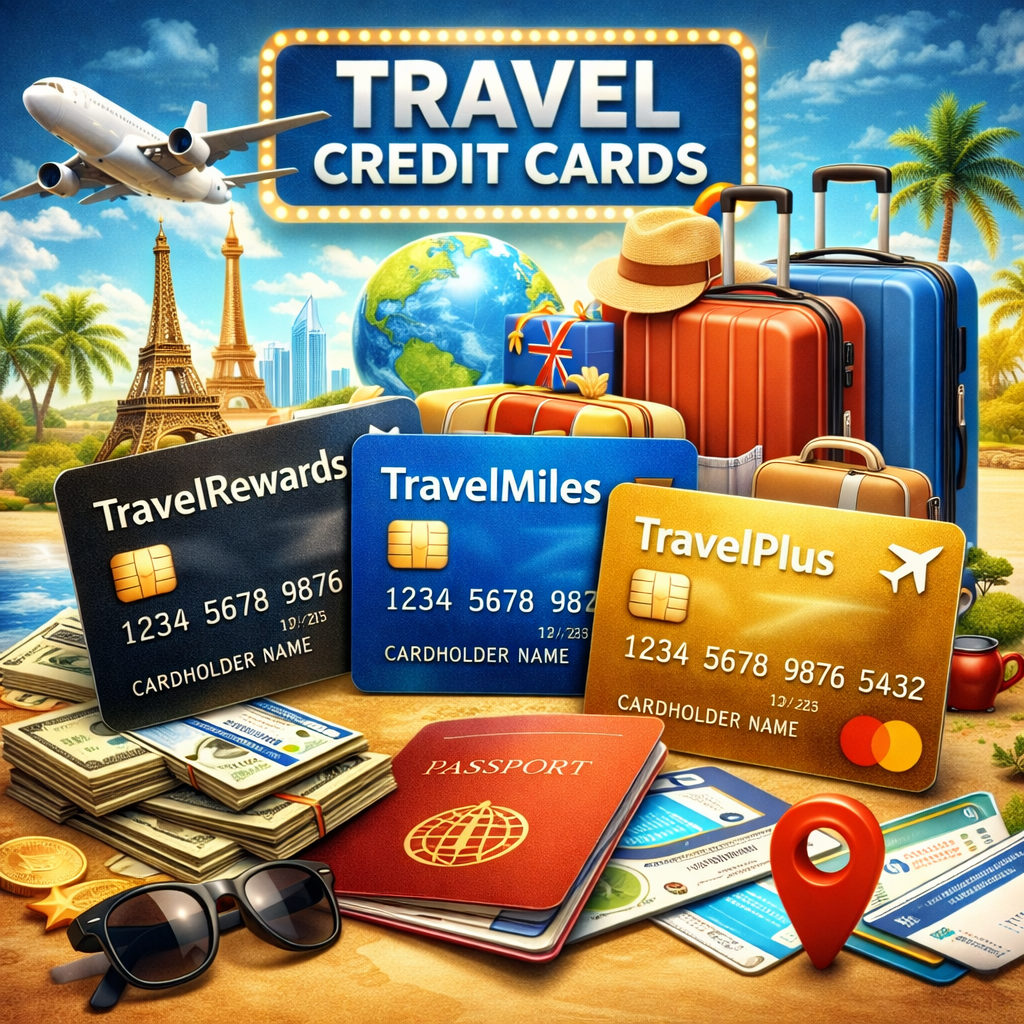
Travel cards typically earn miles or travel-specific points. In addition to earning rewards on flights, hotels, and rental cars, many offer perks like free checked bags, priority boarding, travel insurance, airport lounge access, and no foreign transaction fees. Those perks can significantly improve your travel experience.
There are two main types: general travel cards (flexible rewards you can use across different airlines and hotels) and co-branded cards (partnered with a specific airline or hotel chain).
The catch? Many premium travel cards come with annual fees, sometimes over $95—or even several hundred dollars. But if you travel enough to use the benefits, the value can easily outweigh the cost.
Best for: Frequent travelers who want to maximize travel rewards and enjoy added perks.
Not ideal for: People who rarely travel or won’t use the travel benefits.
If travel is part of your lifestyle, the right card can make each trip smoother—and more affordable.
3. Cash Back Credit Cards
Cash back credit cards are refreshingly simple. Instead of points or miles, you earn a percentage of your purchases back as cash. It’s straightforward, easy to understand, and highly practical.
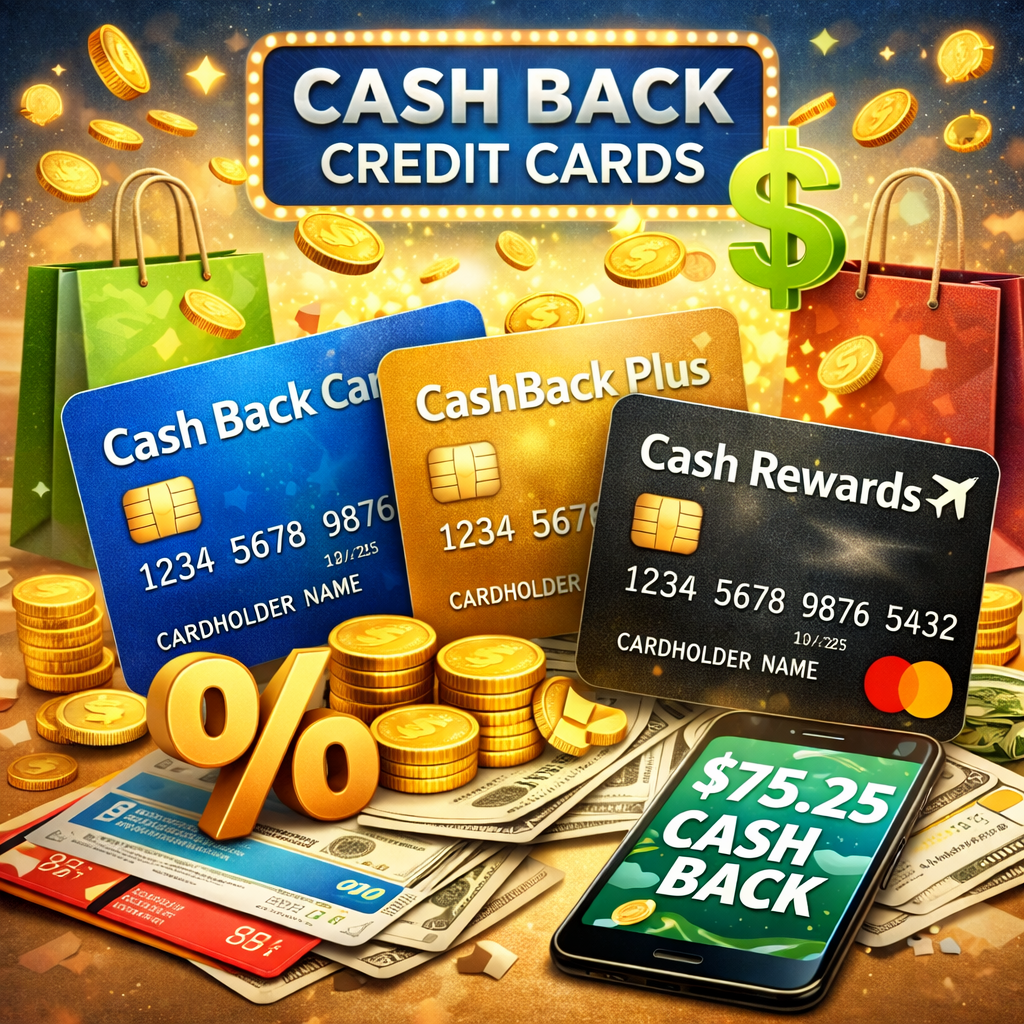
Most cash back cards offer between 1% and 5% back. Some give a flat rate on all purchases, while others provide higher percentages in rotating or fixed bonus categories like groceries, dining, or gas.
The biggest advantage? Flexibility. Cash back can usually be redeemed as a statement credit, direct deposit, or check. There’s no worrying about blackout travel dates or complicated redemption systems.
That said, some cards require you to activate rotating categories each quarter, and missing that step could mean earning less.
Best for: Everyday spenders who prefer simplicity and flexibility.
Not ideal for: Those looking for luxury travel perks or specialized rewards programs.
If you value straightforward benefits and don’t want to track points, cash back cards are often a reliable choice.
4. Balance Transfer Credit Cards
If you’re carrying high-interest credit card debt, a balance transfer card can offer breathing room. These cards are designed to help you move existing debt to a new card with a low or 0% introductory APR for a set period, often ranging from 6 to 21 months.
During that introductory window, your payments go toward reducing the principal balance instead of piling up interest. That can make a big difference if you’re committed to paying off your debt.
However, most balance transfer cards charge a transfer fee—usually 3% to 5% of the amount transferred. And once the intro period ends, the regular APR applies, which can be quite high.
The key to making this card work is having a clear repayment plan before the promotional period expires.
Best for: Individuals focused on aggressively paying down debt.
Not ideal for: Those who might continue accumulating new balances.
Used strategically, a balance transfer card can be a powerful tool for regaining financial control.
5. Secured Credit Cards
Secured credit cards are designed for people who are new to credit or rebuilding after financial setbacks. Unlike traditional cards, secured cards require a refundable security deposit—often equal to your credit limit.
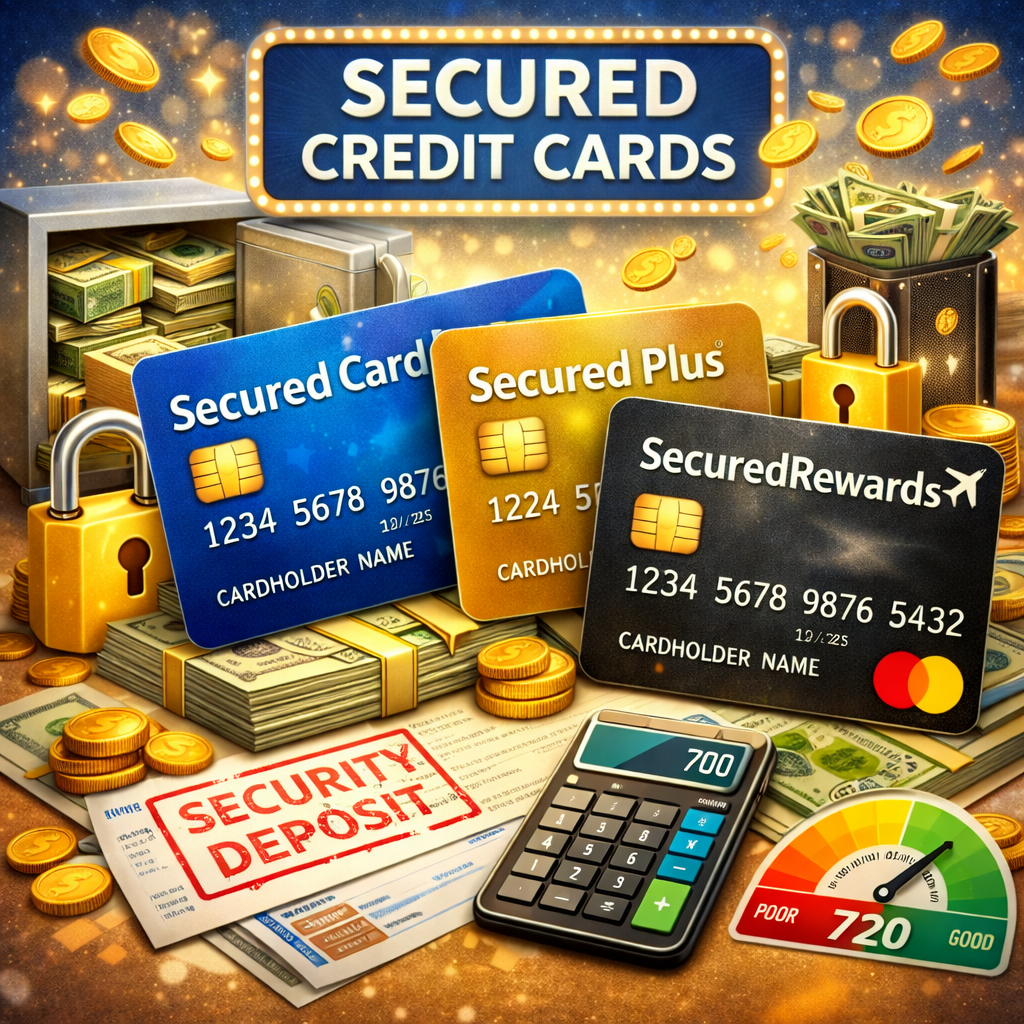
For example, if you deposit $300, your credit limit will likely be $300. This reduces the lender’s risk while giving you a chance to demonstrate responsible credit use.
The real benefit of secured cards is that they report to major credit bureaus. Making on-time payments and keeping your balance low can gradually improve your credit score. Many issuers even allow you to upgrade to an unsecured card after consistent responsible use.
While secured cards usually don’t offer impressive rewards, that’s not their purpose. Their goal is credit-building, not perks.
Best for: Individuals establishing or rebuilding credit.
Not ideal for: Those with strong credit who qualify for better options.
Think of secured cards as stepping stones toward stronger financial opportunities.
6. Student Credit Cards
Student credit cards are specifically tailored for college students who are just starting their financial journey. Approval requirements are typically more flexible, and credit limits are usually lower to reduce risk.
Some student cards even offer modest rewards, such as cash back on groceries or dining. But more importantly, they provide an opportunity to build credit early in adulthood.
Responsible use during your student years can set the stage for future milestones—like renting an apartment, financing a car, or qualifying for a mortgage.
However, students should approach credit cautiously. It’s easy to overspend when you’re not fully aware of how interest works.
Best for: College students with limited credit history.
Not ideal for: Non-students or those already established in their credit journey.
Used wisely, a student card can be a powerful financial head start.
7. Business Credit Cards
Business credit cards are designed for entrepreneurs, freelancers, and small business owners who want to separate business and personal expenses. Even if you run a side hustle, you may qualify.
These cards often provide rewards tailored to business spending categories like office supplies, advertising, travel, and shipping. They also offer tools that make expense tracking and bookkeeping easier.
Another advantage is higher credit limits, which can help manage cash flow during busy periods. Some business cards also offer employee cards, purchase protection, and extended warranties.
While many business cards require a personal guarantee, they can be extremely useful for maintaining organized finances and building business credit.
Best for: Entrepreneurs and small business owners.
Not ideal for: Personal, non-business spending.
If you want cleaner accounting and targeted rewards, a business card can be a smart addition.
So, Which One Should You Choose?
The “right” credit card isn’t about prestige or popularity. It’s about alignment.
Ask yourself:
- Do I pay my balance in full each month?
- Am I trying to reduce debt?
- Do I travel frequently?
- Am I building or rebuilding credit?
- Do I own or operate a business?
Your answers will point you in the right direction.
At the end of the day, a credit card is a financial tool. Used responsibly, it can build your credit, provide convenience, and even earn you valuable rewards. Used carelessly, it can become expensive.
Choose wisely, stay disciplined, and let your credit card work for you—not the other way around.