
 February 26, 2026
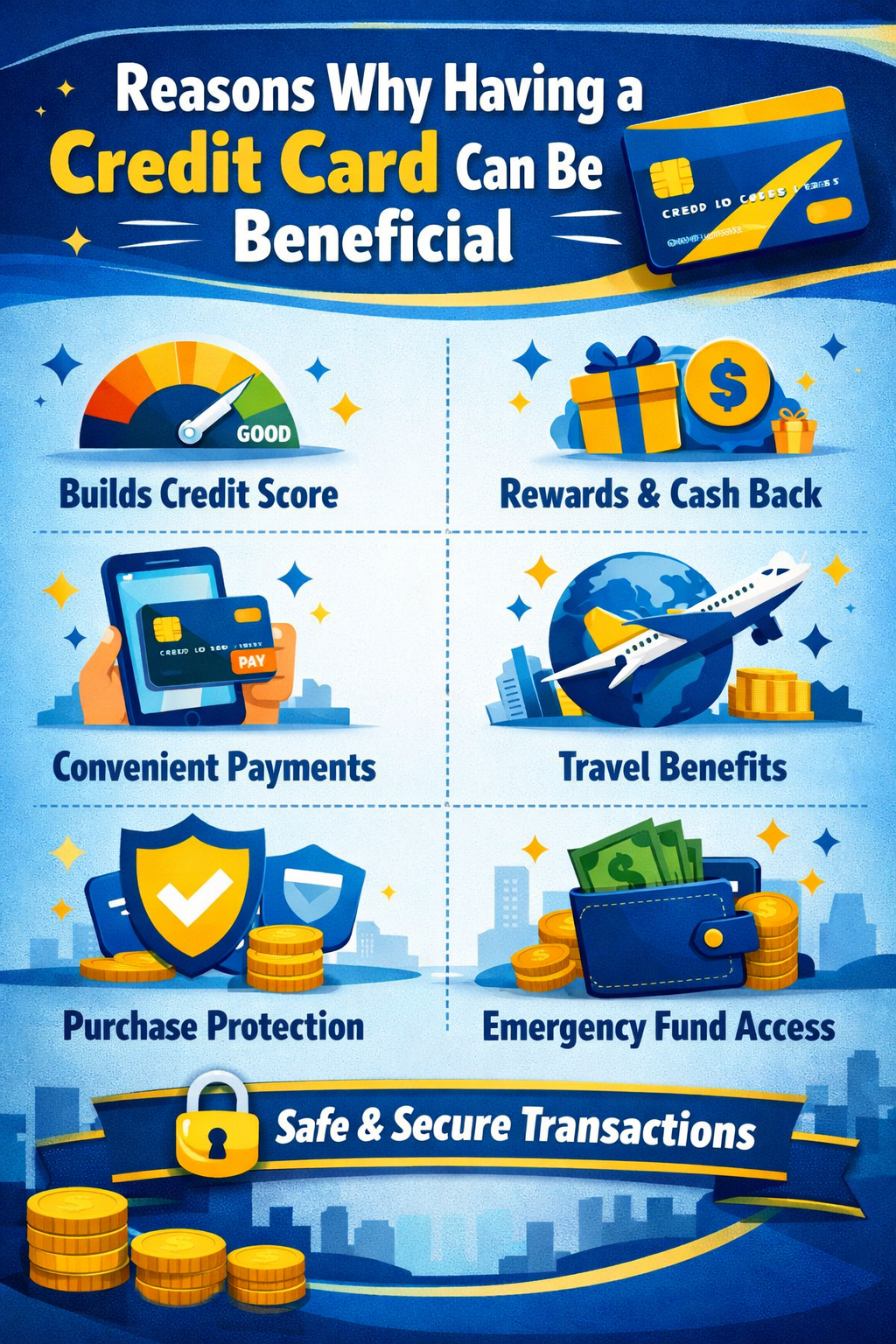
In the Philippines, credit cards have evolved from simple payment tools into powerful financial instruments. They can help you manage cash flow, earn rewards, build your financial credibility, and protect your purchases.
Of course, the key is responsible usage. When managed wisely, a credit card can provide many advantages. Here’s a closer look at six reasons why having one can be truly beneficial.
1. Build and Strengthen Your Credit History
Your credit history is like your financial reputation. It tells banks, lenders, and even some employers how responsible you are with money. A credit card is one of the easiest ways to start building that reputation.
By using a credit card responsibly—making payments on time, keeping balances low, and avoiding late fees—you demonstrate financial discipline. Over time, this improves your credit score, which can help you qualify for bigger loans, like a car loan, home loan, or business financing, often at lower interest rates, especially when you make proper loans comparisons.
For first-time cardholders or young professionals, having a credit card isn’t just about convenience—it’s about laying the foundation for future financial opportunities. A solid credit history can mean the difference between approval and rejection when you need significant financing.
2. Enjoy Rewards, Cashback, and Perks

One of the most appealing benefits of credit cards is the rewards and perks they offer. Many Philippine banks provide programs that give you something back for your everyday spending.
These rewards can come in different forms:
- Cashback: Earn a percentage of your spending back on groceries, gas, or utility bills.
- Points or Miles: Accumulate points that can be redeemed for flights, hotel stays, or shopping.
- Exclusive Discounts: Special deals with partner merchants, including restaurants, online stores, or travel services.
For instance, if you spend regularly on essentials like groceries and transportation, using a rewards credit card means you’re essentially earning back money on purchases you already make. Over time, these rewards can add up to significant savings or even free experiences, making your spending work harder for you.
3. Better Cash Flow Management
A credit card can act like a short-term financial lifeline when managed properly. Unlike cash, which requires you to pay immediately, a credit card gives you a grace period—usually around 20 to 25 days—from the statement date to the payment due date.
This period allows you to align your payments with your income schedule. For example:
- You can cover urgent expenses before your salary arrives.
- You can manage irregular expenses without dipping into your savings.
- You can handle unexpected bills without disruption to your monthly budget.
The key is paying your balance in full each month to avoid interest charges. When used this way, a credit card becomes a powerful budgeting tool rather than a source of debt.
4. Emergency Financial Backup
Life is unpredictable, and emergencies can strike without warning. From sudden medical expenses to urgent travel or unexpected home repairs, having access to funds quickly can prevent financial stress.
A credit card provides an instant source of emergency funds. While it’s not a replacement for an emergency savings account, it can serve as a temporary bridge until you can arrange cash.
Knowing that you have a credit line to rely on provides peace of mind. You don’t have to scramble for cash or borrow from family and friends when unexpected costs arise. This flexibility is one of the less obvious but very real benefits of having a credit card.
5. Added Security and Fraud Protection
Compared to carrying cash, credit cards offer superior security. If your wallet is lost or stolen, you can report your card and have it immediately blocked. Most banks also offer features like:
- Fraud monitoring and alerts
- Real-time notifications for purchases
- Dispute resolution for unauthorized transactions
Unlike cash, which is nearly impossible to recover once lost, unauthorized credit card charges can often be investigated and reversed.
Credit cards also provide added protection for online purchases. With layers of security like OTP verification and tokenization, your funds are safer from theft, making online shopping more secure and stress-free.
6. Access to Installment Plans and Big Purchases
Many credit cards offer installment plans that allow you to spread out payments for bigger purchases. This feature can be a lifesaver if you need a laptop, appliance, or gadget but can’t pay the full amount upfront.
For example:
- Some banks provide 0% installment plans for a few months.
- Certain purchases can be converted into installments after the transaction.
- This makes managing large expenses easier without disrupting your monthly budget.
Used responsibly, this feature allows you to enjoy necessary items while keeping your finances stable. You can handle bigger purchases without accumulating debt or affecting your other financial obligations.
Final Thoughts
Credit cards aren’t inherently good or bad—they’re tools, and their value depends on how you use them.
When used responsibly, a credit card can:
- Build your credit history
- Reward your everyday spending
- Improve cash flow management
- Provide financial security during emergencies
- Offer superior fraud protection
- Make large purchases more manageable
The golden rule remains: pay on time, avoid high-interest balances, and use your credit card wisely.
With these practices, your credit card can become one of the most valuable tools in your financial toolkit, helping you save, grow, and navigate life’s unexpected expenses with confidence.