
 February 23, 2026
Choosing a credit card in 2026 isn’t as simple as picking the one with the flashiest design or biggest welcome bonus. Today’s credit cards are smarter, more customizable, and more integrated into our digital lives than ever before. That means the “right” card depends heavily on how you spend, how you manage money, and what you want your finances to look like in the long run.
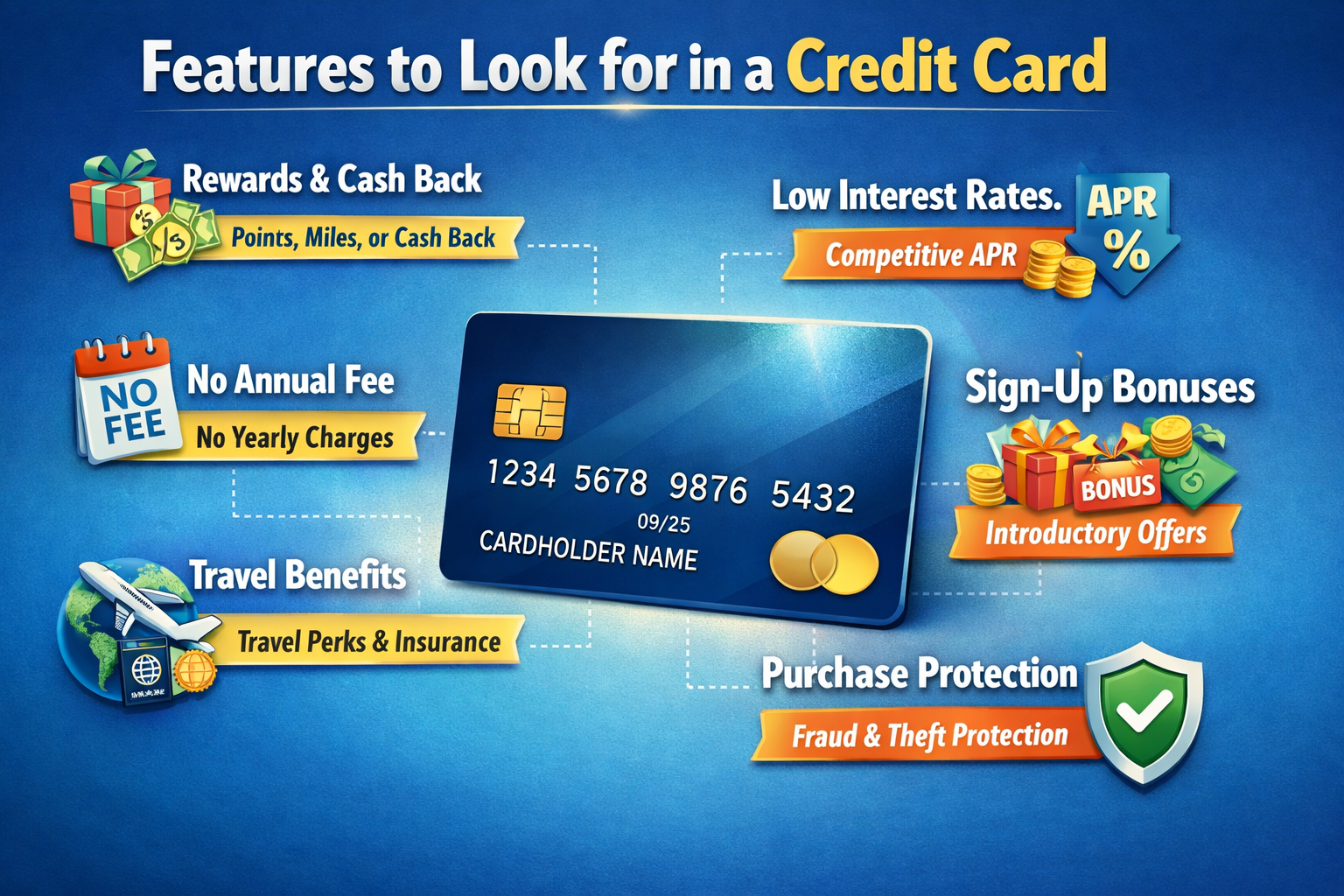
Whether you’re building credit, maximizing rewards, traveling more, or simply looking for a reliable payment tool, here are the top 8 features you should carefully evaluate before applying for a credit card this year.
1. Generous and Flexible Rewards Programs
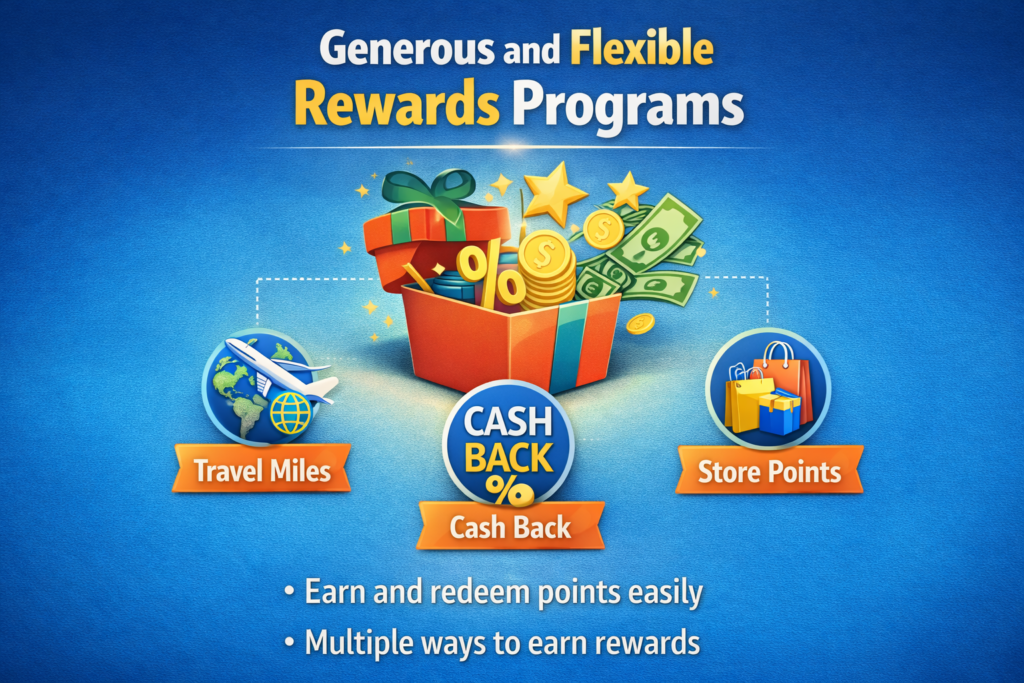
Rewards are still one of the biggest reasons people apply for credit cards — but in 2026, flexibility is just as important as generosity.
A strong rewards program should align with your real spending habits. For example:
- If you spend heavily on groceries and gas, look for cards offering higher cashback rates in those categories.
- If you frequently dine out or shop online, check for bonus multipliers in those areas.
- If you travel often, miles or travel points might give you more long-term value.
Beyond earning rates, pay attention to how easy it is to redeem rewards. The best cards allow you to:
- Convert points into cashback or statement credits
- Redeem miles without blackout dates
- Transfer points to airline or hotel partners
- Use rewards directly at checkout
Another thing to consider is whether points expire. Some programs require redemption within a set timeframe, while others allow you to accumulate points indefinitely.
The ideal card doesn’t force you to change your lifestyle just to earn rewards. Instead, it enhances the spending you already do.
2. Competitive Interest Rates (APR)
While rewards are exciting, interest rates are what truly impact your finances.
In 2026, interest rates can fluctuate depending on economic conditions. That’s why reviewing a card’s Annual Percentage Rate (APR) is crucial — especially if you don’t always pay your balance in full.
Look for:
- A low regular APR
- Introductory 0% APR offers on purchases
- Balance transfer promotions
If you anticipate carrying a balance — even occasionally — a lower APR can save you a significant amount in interest charges over time.
For example, a difference of just a few percentage points in APR can mean thousands saved if you carry a large balance for several months.
Even if you’re disciplined about paying your bill in full, choosing a card with a reasonable APR gives you a safety cushion in case of emergencies.
3. Low or No Annual Fees
Annual fees aren’t necessarily bad — but they should always make financial sense.
Some premium cards charge higher fees (sometimes ₱2,500 or more annually), but they compensate with:
- Lounge access
- Travel insurance
- Higher rewards rates
- Exclusive lifestyle perks
Before committing, ask yourself:
- Will I use these perks enough to justify the fee?
- Do the rewards exceed the cost?
- Is there a similar card with no annual fee?
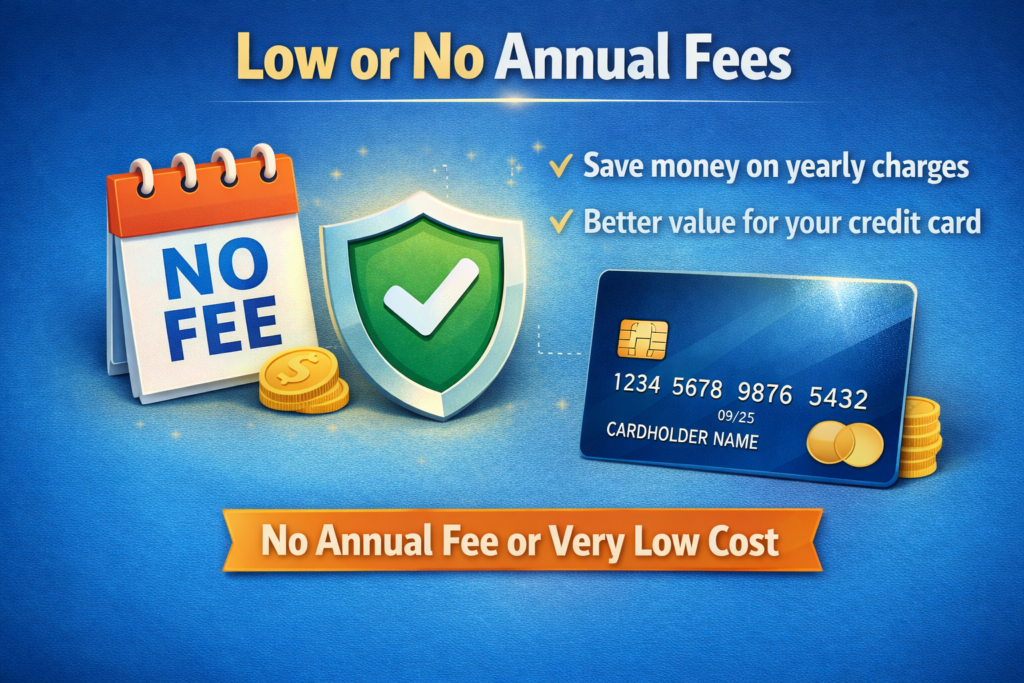
In 2026, many banks are offering competitive no-annual-fee cards that still provide solid cashback or rewards programs. If you’re just starting out or prefer simplicity, a no-fee card might be the smarter choice.
Remember: every peso counts. If you’re not maximizing premium perks, that annual fee becomes unnecessary overhead.
4. Advanced Security and Fraud Protection
With online shopping, subscription services, and digital wallets becoming standard, security should be a top priority.
Modern credit cards now come equipped with advanced features such as:
- Real-time transaction alerts via mobile app
- Instant card lock and unlock functions
- Virtual card numbers for safer online purchases
- Zero-liability fraud protection
- AI-powered suspicious activity detection
These tools give you greater control and peace of mind. If something looks unusual, you can freeze your card instantly without calling customer service.
In 2026, fraud detection systems are faster and smarter — but you should still choose a card that allows you to actively monitor activity and respond quickly.
Security isn’t optional anymore; it’s essential.
5. Seamless Digital Integration
Your credit card should integrate smoothly with your digital lifestyle.
Today’s best cards offer:
- Compatibility with mobile wallets
- Easy in-app installment conversion
- Detailed spending analytics
- Instant reward tracking
- Paperless billing
A user-friendly mobile app can completely change your experience. Instead of waiting for monthly statements, you can track expenses daily, categorize spending, and identify patterns.
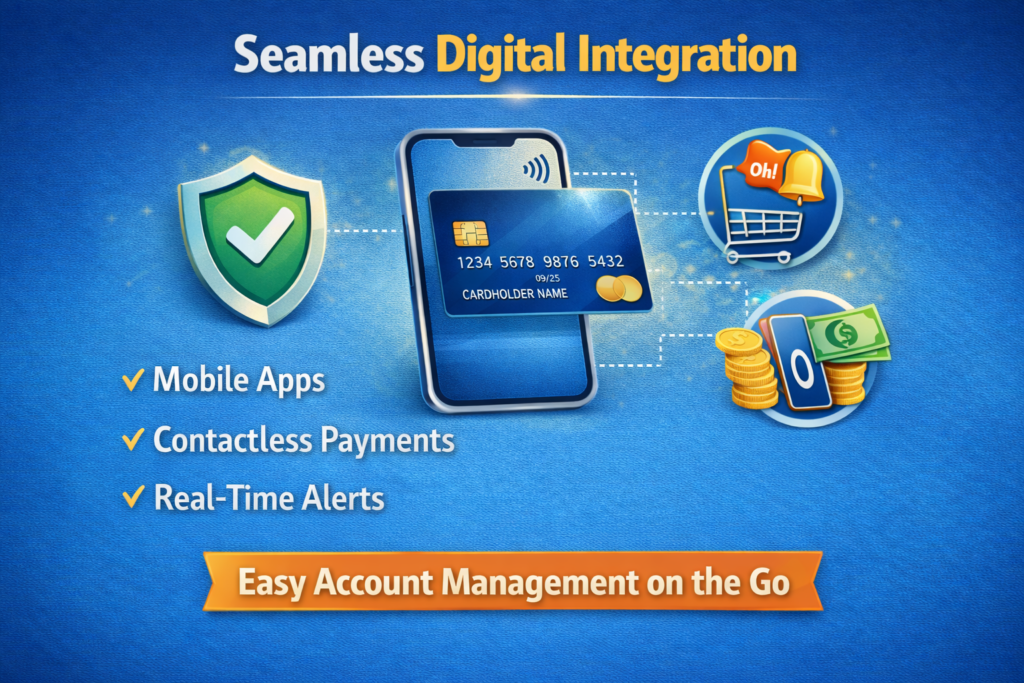
Some apps even offer smart budgeting insights, such as alerts when you’re nearing your spending limit in certain categories.
In short, your credit card shouldn’t just sit in your wallet — it should work as a financial dashboard in your pocket.
6. Travel and Lifestyle Perks
Even if you don’t travel monthly, travel perks can add surprising value to your card.
Depending on the tier, perks may include:
- Complimentary airport lounge access
- Free travel insurance
- Priority check-in or boarding
- Hotel and airline discounts
- Dining privileges
- Exclusive presale access to events
For occasional travelers, complimentary travel insurance alone can offset part of the annual fee. Frequent travelers, on the other hand, may benefit significantly from lounge access and priority services.
Lifestyle perks also matter. Many credit cards now partner with restaurants, wellness brands, and entertainment providers to offer discounts or exclusive deals.
The key is relevance. Choose perks you’ll realistically use — not ones that just look impressive on paper.
7. Installment and Buy Now, Pay Later (BNPL) Options
Flexibility in repayment is increasingly important.
Many 2026 credit cards now allow you to convert large purchases into installments through the app — sometimes even after the transaction has posted.
Look for:
- 0% installment plans
- Low processing fees
- Flexible repayment terms (3, 6, 12 months or more)
- Transparent conversion charges
This feature is especially useful for bigger expenses like gadgets, appliances, tuition, or medical bills.
However, while installment features offer convenience, they should be used responsibly. Spreading payments can help manage cash flow, but overusing them can lead to financial strain.
A good card provides flexibility — but financial discipline remains your responsibility.
8. Credit-Building and Financial Wellness Tools
In 2026, credit cards are evolving into financial wellness tools.
Many issuers now offer:
- Free credit score monitoring
- Monthly spending summaries
- Budget tracking features
- Custom payment reminders
- Automatic bill payment options
If you’re focused on improving your credit score, choose a card that reports consistently to credit bureaus and encourages responsible behavior.
Some cards even provide insights into what’s affecting your score — whether it’s utilization, payment history, or account age.
A credit card should not just encourage spending; it should help you grow financially over time.
Final Thoughts
The best credit card in 2026 isn’t necessarily the one with the biggest sign-up bonus or the most aggressive marketing. It’s the card that:
- Matches your lifestyle
- Supports your financial goals
- Offers strong security
- Provides meaningful flexibility
- Adds real value without unnecessary costs
Before applying, take time to evaluate how you actually use money each month. Do you carry balances? Travel often? Prefer cashback over miles? Value digital convenience?
When chosen wisely, a credit card can be more than a payment tool — it can become a powerful financial partner that supports your everyday life and long-term success.