
 June 4, 2026
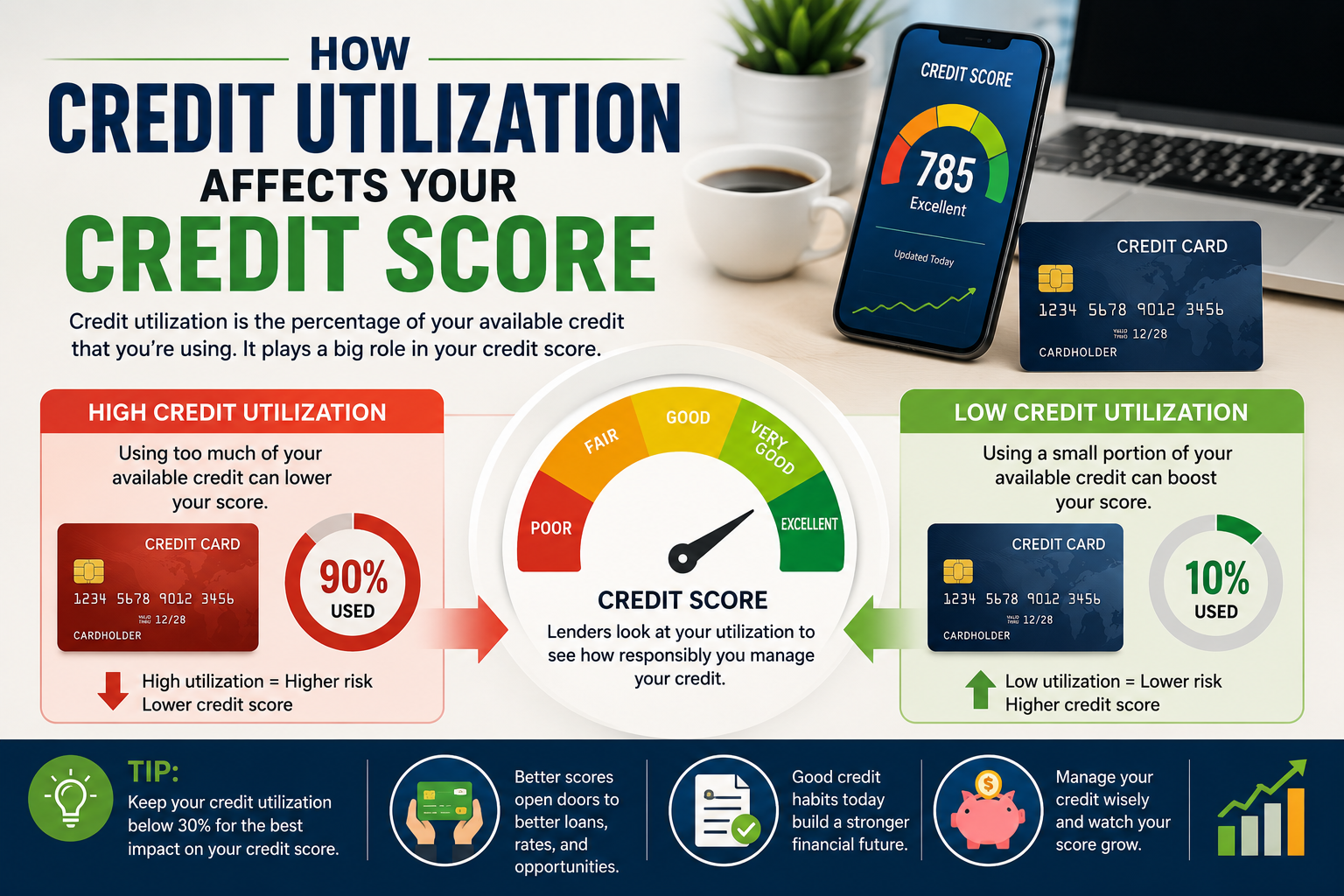
When it comes to building and maintaining a healthy credit score, many people focus primarily on making payments on time. While payment history is certainly important, another major factor that often goes overlooked is credit utilization.
Credit utilization measures how much of your available credit you’re using at any given time. It plays a significant role in determining your creditworthiness and can directly impact your ability to qualify for loans, mortgages, and new credit cards.
Understanding how credit utilization works can help you make smarter financial decisions and improve your overall credit profile.
What Is Credit Utilization?
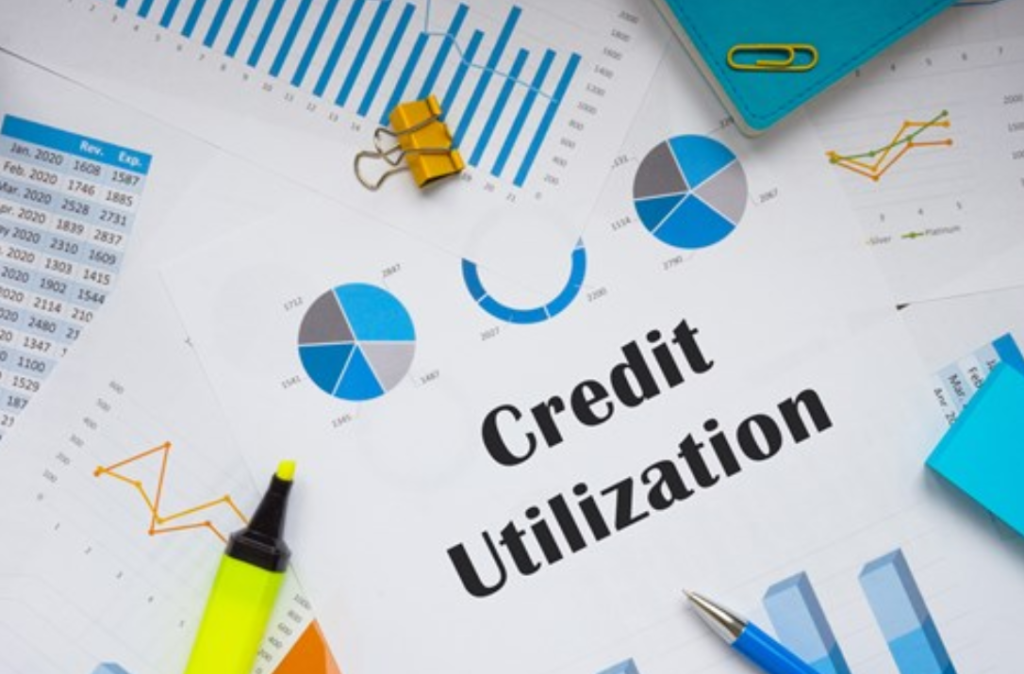
Credit utilization refers to the percentage of your available credit that you’re currently using.
The formula is simple:
For example, if you have a credit card with a credit limit of ₱100,000 and your current balance is ₱30,000, your credit utilization ratio would be 30%.
A lower utilization ratio generally indicates that you’re managing your credit responsibly, while a higher ratio may suggest increased financial risk.
Why Credit Utilization Matters
Lenders and credit bureaus use credit utilization as an indicator of how dependent you are on borrowed money.
A person who consistently uses a large portion of their available credit may appear more financially stretched than someone who uses only a small percentage.
Because of this, credit utilization is often one of the most influential factors in credit scoring models after payment history.
What Is Considered a Good Credit Utilization Ratio?
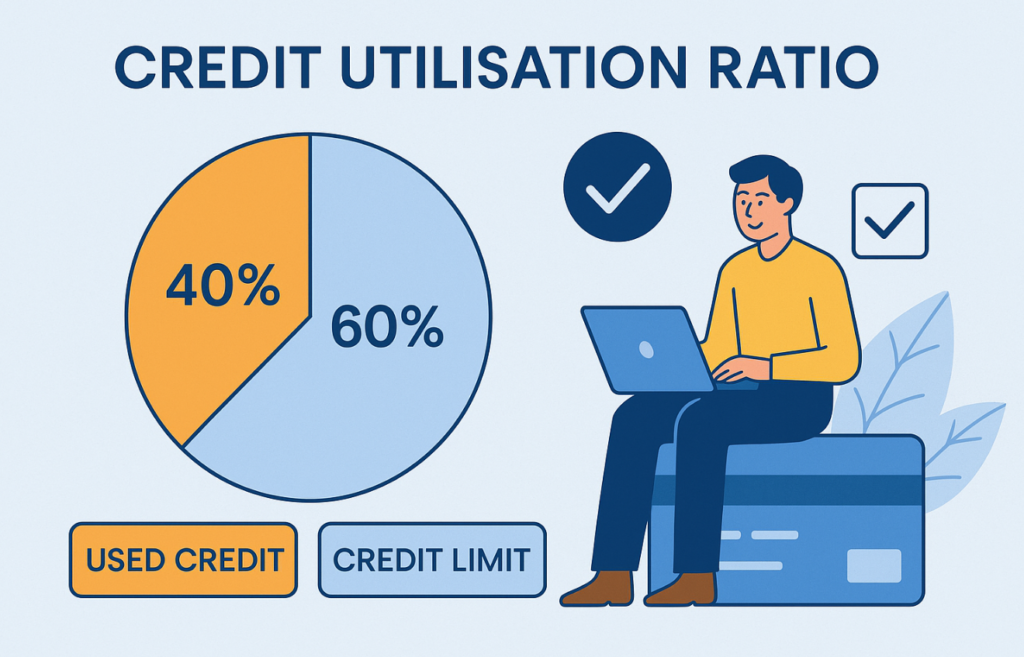
While there is no universal rule, financial experts generally recommend keeping your utilization below 30%.
Excellent: Below 10%
Individuals with utilization rates under 10% often have stronger credit profiles and may qualify for better financial products.
Good: 10% to 30%
This range is generally considered healthy and demonstrates responsible credit management.
Fair: 30% to 50%
While still manageable, utilization above 30% may begin to negatively affect your credit score.
High Risk: Above 50%
Using more than half of your available credit can signal financial stress and may significantly lower your score.
Very High Risk: Above 75%
Extremely high utilization rates can be a major red flag to lenders and may hurt approval odds for future credit applications.
How High Credit Utilization Can Lower Your Score
Many cardholders assume that making payments on time is enough to maintain good credit. However, maxing out your credit cards can still damage your score even if you never miss a payment.
It Signals Higher Risk
Lenders may view high utilization as a sign that you’re overly reliant on credit.
It Reduces Borrowing Capacity
If you’re already using most of your available credit, lenders may question your ability to handle additional debt.
It Can Trigger Score Drops Quickly
Unlike some credit factors that change gradually, utilization can affect your score almost immediately when balances rise.
Individual Card Utilization vs Overall Utilization
Many people focus only on their overall utilization ratio, but lenders often review both overall and individual card utilization.
For example:
- Card A: ₱50,000 limit with ₱45,000 balance (90% utilization)
- Card B: ₱50,000 limit with ₱5,000 balance (10% utilization)
Overall utilization is:
Although the total utilization is 50%, lenders may still be concerned because one card is nearly maxed out.
Ideally, avoid carrying high balances on any single card.
How Low Credit Utilization Helps Your Score

Maintaining a low utilization ratio demonstrates that you can manage credit responsibly without relying heavily on borrowed funds.
Benefits include:
- Better credit scores
- Improved loan approval chances
- Higher likelihood of credit card approvals
- Access to lower interest rates
- Greater negotiating power with lenders
A low utilization ratio tells lenders that you’re using credit strategically rather than out of necessity.
Practical Ways to Lower Credit Utilization
Pay Balances Before the Statement Date
Many cardholders wait until the due date to make payments. However, card issuers often report balances based on statement dates.
Making payments before your statement closes can reduce the reported balance.
Make Multiple Payments Each Month
Instead of one monthly payment, consider paying down balances several times throughout the month.
This strategy helps keep utilization consistently low.
Request a Credit Limit Increase
A higher credit limit can automatically lower your utilization ratio if spending remains the same.
For example:
- Current balance: ₱20,000
- Credit limit: ₱50,000
- Utilization: 40%
After a credit limit increase to ₱100,000:
- Balance remains: ₱20,000
- Utilization drops to: 20%
Spread Spending Across Multiple Cards
Using several cards responsibly can prevent any single card from reaching a high utilization level.
Avoid Large Unplanned Purchases
Major purchases can temporarily spike utilization and negatively impact your score.
If possible, pay a portion of the purchase immediately after the transaction posts.
Common Credit Utilization Mistakes
Maxing Out Credit Cards
Even temporary spikes can impact your score.
Closing Old Credit Cards
Closing accounts reduces your total available credit, which may increase utilization.
Ignoring Statement Balances
Paying the minimum amount due may not reduce utilization enough to benefit your score.
Applying for Too Much Credit
Opening multiple accounts in a short period can create additional concerns for lenders.
Does Carrying a Balance Improve Your Credit Score?
One of the most persistent credit myths is that carrying a balance helps build credit.
In reality, carrying a balance does not improve your score.
What matters is:
- Making payments on time
- Keeping utilization low
- Maintaining accounts in good standing
You can build excellent credit while paying your balance in full every month.
How Often Is Credit Utilization Reported?
Most credit card issuers report account information to credit bureaus once each billing cycle.
This means your score can fluctuate monthly based on your reported balances.
A large purchase may temporarily increase utilization, while paying down balances can improve your score relatively quickly once updated information is reported.
Final Thoughts
Credit utilization is one of the most important factors influencing your credit score. It reflects how much of your available credit you’re using and provides lenders with insight into your financial habits.
Keeping utilization below 30%, paying balances regularly, avoiding maxed-out cards, and maintaining healthy credit limits can significantly improve your credit profile. Combined with consistent on-time payments, a low utilization ratio can help you qualify for better credit cards, lower interest rates, and future lending opportunities.
By understanding and managing credit utilization effectively, you can strengthen your financial foundation and maintain a healthier credit score over the long term.