
 March 12, 2026
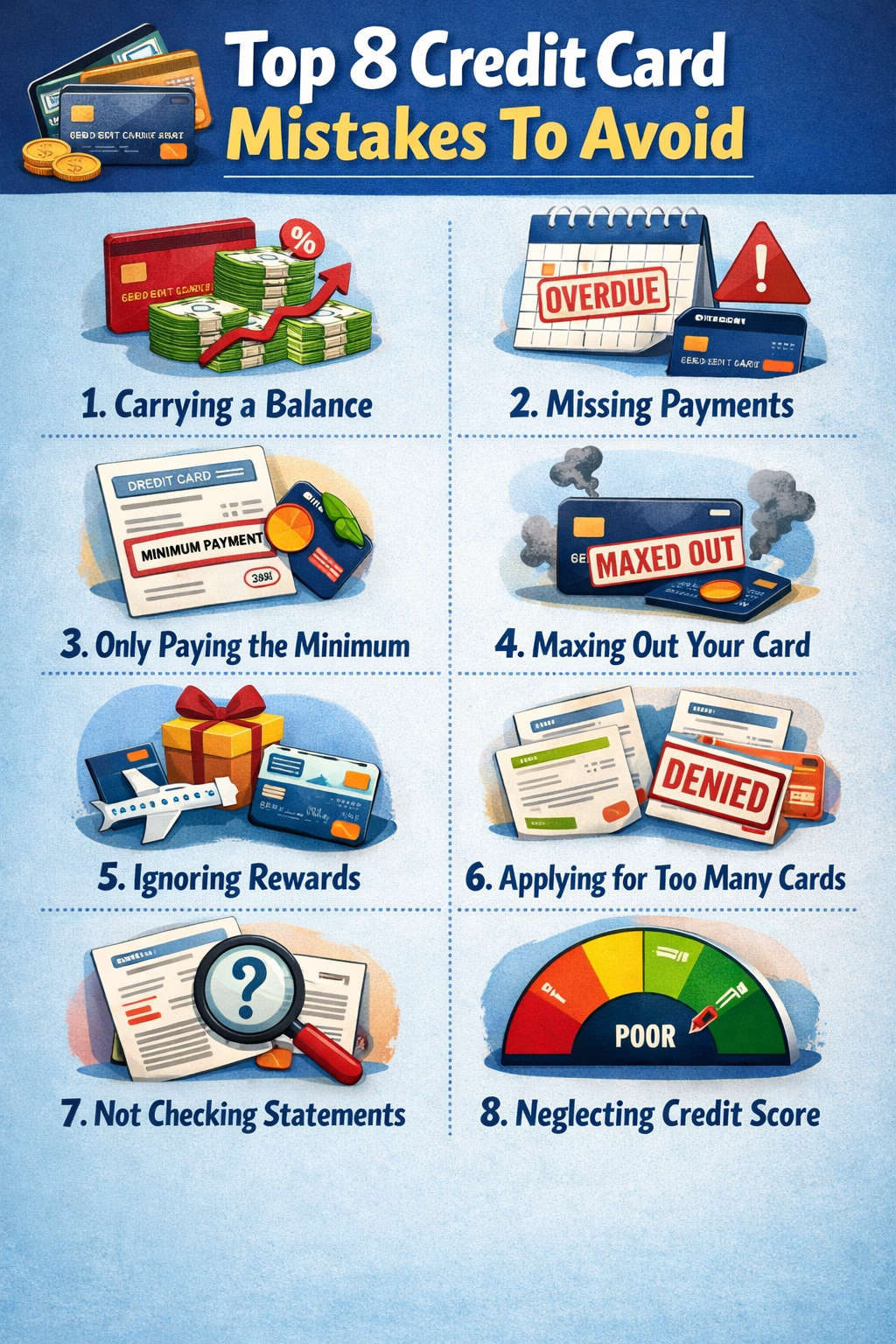
Credit cards can be incredibly useful financial tools. They allow you to make purchases conveniently, build a credit history, earn rewards, and even manage cash flow during emergencies. However, when used improperly, credit cards can also lead to serious financial problems, including high-interest debt and damaged credit scores.
Many credit card users fall into common traps without even realizing it. The good news is that by understanding these mistakes ahead of time, you can avoid them and make smarter financial decisions. In this article, we’ll explore the top 8 mistakes people make with credit cards and how you can steer clear of them.
1. Carrying a Balance Every Month
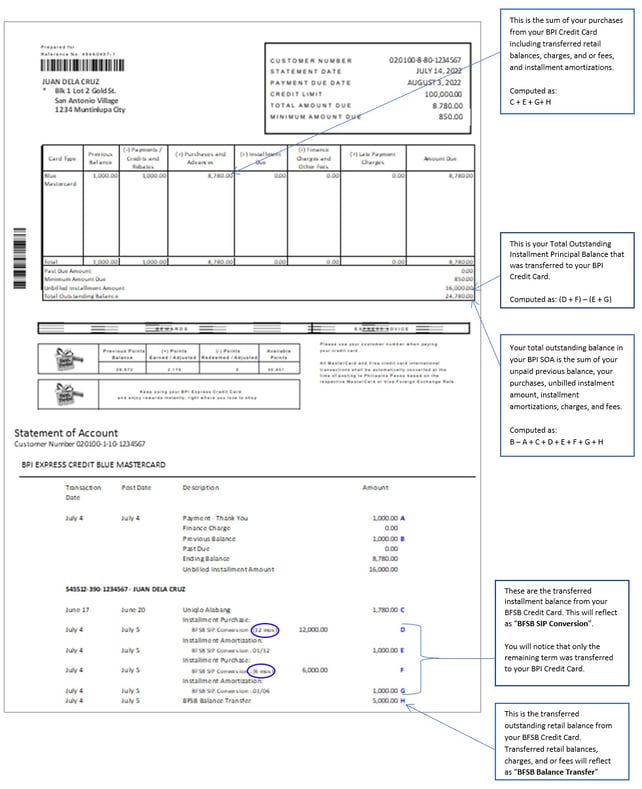
One of the most common credit card mistakes is carrying a balance from month to month. While credit cards make it easy to defer payments, doing so regularly can quickly lead to expensive interest charges.
Many people believe that carrying a balance helps build their credit score, but this is actually a myth. In reality, what matters most is paying your bill on time and maintaining a low credit utilization ratio. Carrying a balance only means you’ll pay interest on your purchases.
For example, if you carry a balance of $2,000 on a credit card with a 20% interest rate, you could end up paying hundreds of dollars in interest over time. This is money that could have been saved or invested elsewhere.
How to avoid it:
- Pay your full statement balance every month.
- Set automatic payments to avoid missing due dates.
- Use your credit card only for purchases you can afford to pay off immediately.
Treat your credit card like a debit card—if you can’t pay for it now, reconsider the purchase.
2. Missing or Making Late Payments

Missing a credit card payment is one of the fastest ways to damage your credit score. Payment history makes up a significant portion of your credit score, which means even one late payment can have long-term consequences.
In addition to hurting your credit score, late payments often come with penalties such as late fees and increased interest rates. Some credit card issuers may also report your late payment to credit bureaus if it’s more than 30 days overdue.
Over time, repeated late payments can make it harder to qualify for loans, mortgages, or even other credit cards.
How to avoid it:
- Set reminders for payment due dates.
- Enable automatic minimum payments if possible.
- Monitor your statements regularly.
Being consistent with payments is one of the easiest ways to maintain a strong financial reputation.
3. Maxing Out Your Credit Limit
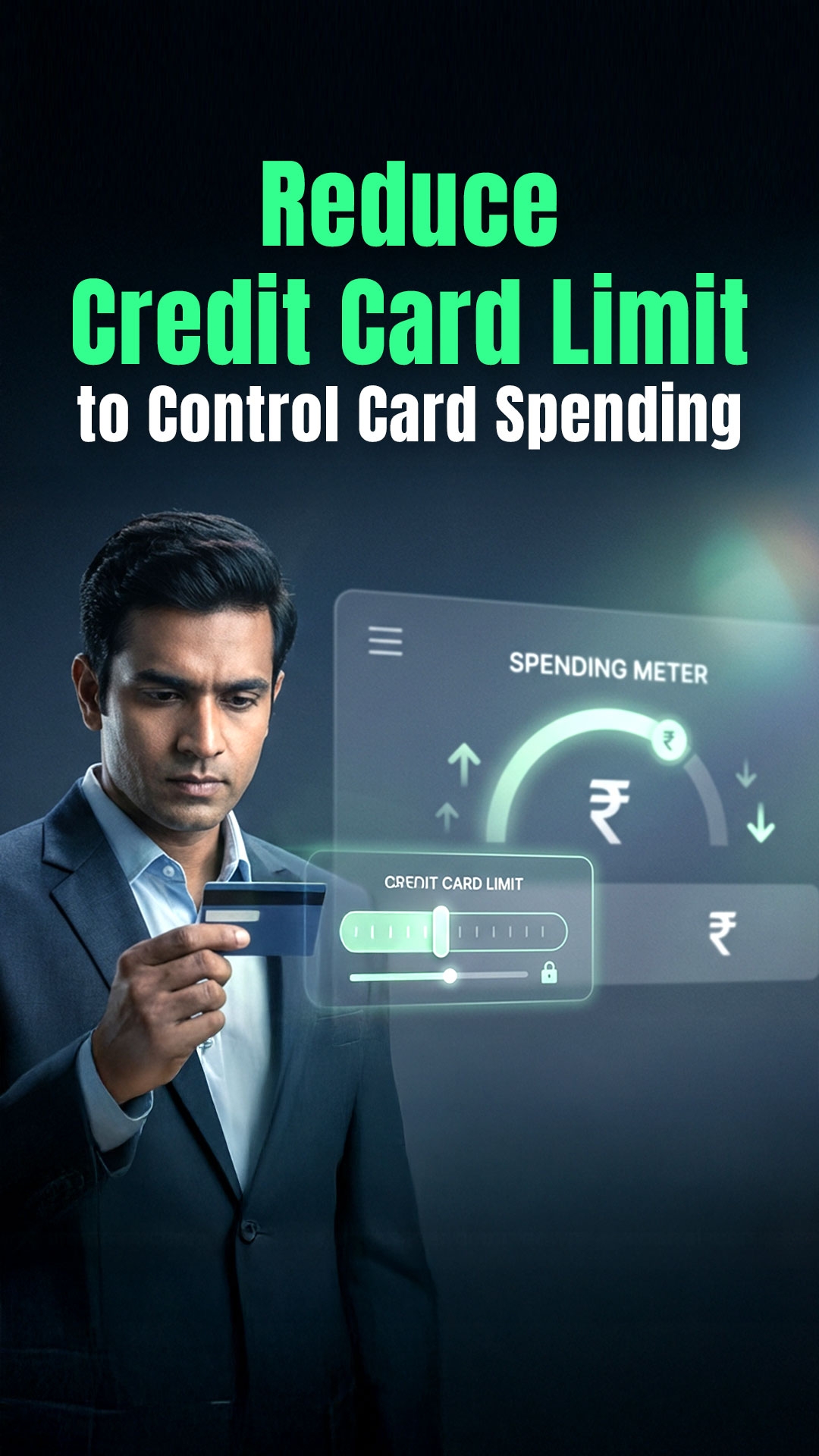
Maxing out your credit card—using up most or all of your available credit card limit—is another common mistake. Even if you make your payments on time, high credit utilization can negatively affect your credit score.
Credit utilization refers to the percentage of your available credit that you’re using. Financial experts generally recommend keeping this ratio below 30%.
For example, if your credit limit is $5,000, try to keep your balance below $1,500.
Maxing out your card can signal financial stress to lenders, which may reduce your chances of getting approved for future credit.
How to avoid it:
- Keep your credit utilization below 30%.
- Pay off balances multiple times per month if necessary.
- Request a credit limit increase if your income supports it.
Maintaining a low balance demonstrates responsible credit usage.
4. Ignoring Credit Card Terms and Fees

Many people apply for a credit card without carefully reading the terms and conditions. Unfortunately, this can lead to unpleasant surprises later.
Credit cards often come with various fees, such as:
- Annual fees
- Late payment fees
- Balance transfer fees
- Foreign transaction fees
- Cash advance fees
Understanding these fees is essential because they can significantly affect how much your credit card actually costs to use.
For instance, using your card abroad without realizing there’s a foreign transaction fee could result in extra charges for every purchase.
How to avoid it:
- Read the credit card agreement before applying.
- Compare different cards to find the best terms.
- Understand when and how fees are applied.
A few minutes spent reviewing the details can save you money in the long run.
5. Using Credit Cards for Cash Advances

Cash advances might seem like a convenient option during emergencies, but they are one of the most expensive ways to use a credit card.
When you withdraw cash from your credit card, several things usually happen:
- A cash advance fee is charged immediately.
- The interest rate is typically higher than normal purchases.
- Interest begins accumulating right away, with no grace period.
These factors make cash advances extremely costly if not repaid quickly.
How to avoid it:
- Use a debit card instead for cash withdrawals.
- Build an emergency fund for unexpected expenses.
- Consider lower-interest loan options if necessary.
Credit cards should primarily be used for purchases rather than cash withdrawals.
6. Applying for Too Many Credit Cards at Once

Opening multiple credit cards in a short period may seem like a good idea, especially if you’re chasing welcome bonuses or rewards. However, applying for too many cards at once can negatively impact your credit score.
Each credit card application triggers a hard inquiry on your credit report. Too many inquiries within a short time can signal financial risk to lenders.
Additionally, managing several new accounts simultaneously increases the risk of missed payments or overspending.
How to avoid it:
- Apply for credit cards only when necessary.
- Space out applications by several months.
- Focus on cards that align with your spending habits.
Being selective with credit card applications helps maintain a healthy credit profile.
7. Overspending Because of Rewards

Rewards programs can be exciting. Cashback, travel points, and discounts can make spending feel more rewarding. However, some people fall into the trap of spending more than necessary just to earn rewards.
For example, spending $500 just to earn $10 in cashback is not a smart financial decision if you didn’t need the purchase in the first place.
Rewards should enhance your spending—not encourage unnecessary purchases.
How to avoid it:
- Use rewards cards only for planned purchases.
- Stick to your monthly budget.
- Treat rewards as a bonus, not a reason to spend.
Responsible spending ensures that rewards remain a benefit rather than a burden.
8. Not Monitoring Your Credit Card Activity

Many people rarely review their credit card statements or transaction history. This can be risky because fraudulent charges or billing errors may go unnoticed.
Regularly monitoring your credit card activity allows you to detect suspicious transactions early and report them quickly.
Most banks now provide mobile apps that make it easy to track spending, receive transaction alerts, and monitor account activity in real time.
How to avoid it:
- Review your credit card statement every month.
- Enable transaction alerts on your mobile banking app.
- Report suspicious charges immediately.
Staying informed about your account activity is one of the simplest ways to protect your finances.
Final Thoughts
Credit cards can be powerful financial tools when used responsibly. They offer convenience, rewards, and the ability to build a strong credit history. However, the benefits can quickly disappear if common mistakes are ignored.
By avoiding these top 8 credit card mistakes, you can protect your financial health and make the most of your card’s benefits:
- Pay your balance in full whenever possible
- Always make payments on time
- Keep your credit utilization low
- Understand your card’s fees and terms
- Avoid expensive cash advances
- Apply for credit cards strategically
- Don’t overspend for rewards
- Monitor your account regularly
When used wisely, credit cards can support your financial goals instead of creating unnecessary debt. A little awareness and discipline go a long way in ensuring your credit card remains a helpful financial tool rather than a financial burden.
Ready to take control of your finances? Don’t let credit card mistakes hold you back. Start building a smarter, more secure financial future today with Cards.ph!