
 July 10, 2025
So, you’re waiting for your credit card to be approved. Or perhaps you have it in your hands at last. Whether it’s your first credit card or just another one in your wallet, it’s still a big financial milestone. With that little plastic card comes a lot of possibilities: earning rewards, building your credit score, or just having peace of mind when an emergency pops up.
But before you start tapping away on every online sale or swiping your way through mall promos, there’s one simple habit you need to develop: expense tracking.
It might not sound exciting or revolutionary, but it’s one of the best things you can do to avoid debt, maximize your credit card perks, and make your finances work for you. Let’s break down why tracking expenses is the first step in learning how to use your card like a pro.

What is Responsible Credit Card Use?
Having a credit card feels empowering. It might even feel like you’re not spending money at all, since you don’t physically hand out cash when making purchases. But this financial freedom can soon turn into a stressful experience when mishandled carelessly.
Responsible credit card use simply means using your card in a way that benefits your finances instead of hurting them. It’s about making smart purchases, paying your balance on time, and not spending more than you can afford.
For first-time cardholders, this might feel overwhelming. After all, it’s easy to see your credit limit as “extra money.” But credit cards aren’t free cash—they’re borrowed money. And just like any loan, if you don’t manage it properly, you’ll end up paying more in interest and fees.
Why Use Credit Cards Responsibly?
There are plenty of good reasons to keep your credit card habits in check:
Avoiding Debt
According to Singapore-based fintech firm Roshi Pte Ltd, credit card debt in the Philippines is at a “critical” risk level as the typical borrower owes more than four times their monthly income. The average credit card interest rate in the Philippines is capped at 24% to 36% annually or 2% to 3% monthly, as per the Bangko Sentral ng Pilipinas (BSP) Circular No. 1165. That’s a big hit if you’re only making minimum payments.
Responsible credit card use means keeping your balances manageable and paying them off monthly, not just to avoid interest, but also to maintain a healthy credit score.
Building Good Credit
Your credit score is like your financial reputation. It tells lenders, landlords, and even some employers whether you’re reliable with money. And the best way to build that reputation? Responsible use of your credit card. This means paying on time, staying within your credit limit, and most importantly, keeping your balances low.
Over time, this establishes a strong credit history, making it easier to qualify for larger loans with more favorable interest rates. Whether you’re planning to buy a car, apply for a housing loan, or even get approved for a postpaid phone plan, your credit score plays a role.
Maximizing Rewards
One of the biggest perks of owning a credit card is the ability to earn rewards. These can range from cashback and shopping vouchers to travel points and airline miles. But here’s the catch: those rewards only benefit you if you’re not paying interest. If you carry a balance and rack up charges, any perks you earn get wiped out by finance fees. Smart spending plus diligent tracking means you get the most value out of your card, without the financial hangover.
Peace of Mind
Life is unpredictable. You never know when a hospital bill, car repair, or funeral expense will come up. Credit cards can be a lifesaver when you’re caught off guard. But the key to using it effectively during emergencies is having control over your spending before the crisis hits. Responsible credit card use is also about managing transactions, which, in turn, builds financial resilience. With good habits in place, your card becomes a safety net, not a source of worry.
The bottom line? Responsible credit card use gives you flexibility and financial confidence. And the foundation of that responsibility lies in expense tracking.
What is Expense Tracking?
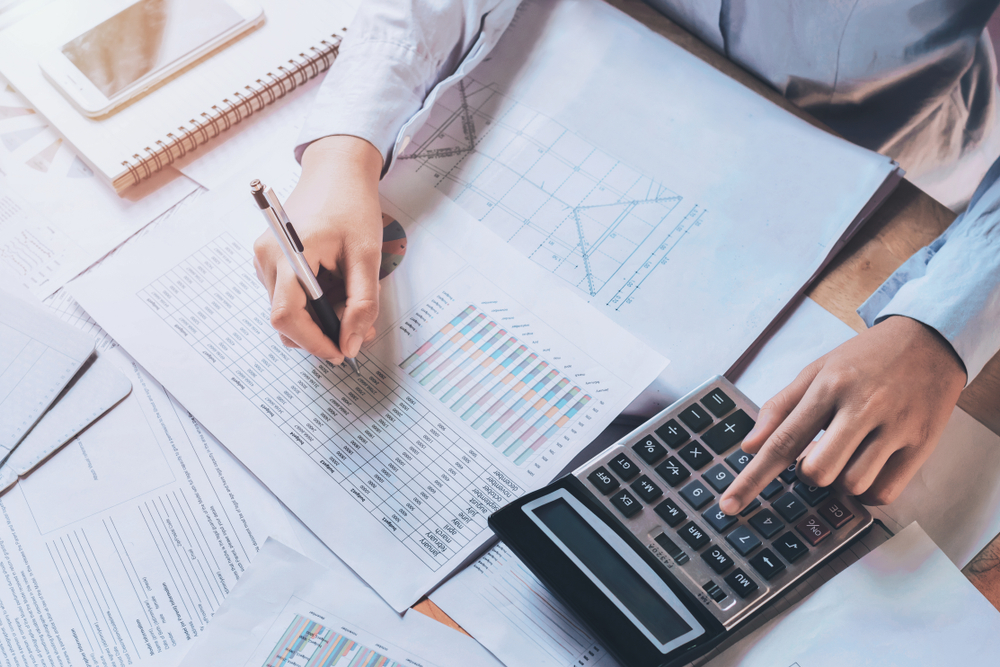
Expense tracking is the habit of recording every amount of money you spend. It doesn’t matter if it’s a big-ticket item, like a gadget, or small daily purchases, such as coffee or transportation fees; it all counts. It helps you see the full picture of your spending, not just what you think you’re spending.
You can track manually in a notebook, use a spreadsheet, or rely on apps. Some bank apps even categorize your spending for you.
But why does it matter so much when you’re using a credit card?
How Expense Tracking Connects to Credit Card Use
So, what is the importance of expense tracking in relation to responsible credit card use? Here are several reasons why expense tracking helps you become a responsible credit card holder:
1. You’ll know exactly where your money goes
A common trap for credit card newbies? Losing track of small purchases. One milk tea here, a Grab ride there, a quick Zalora checkout—next thing you know, you’ve spent ₱10,000 in a week.
Tracking expenses puts a spotlight on your daily habits. It makes your spending visible. When you know exactly where your money is going, it’s easier to adjust and stay within budget.
Let’s say you budgeted ₱5,000 a month for “wants.” If you’re already at ₱4,700 by the 20th, you know to slow down and prioritize only essential buys for the rest of the month. Expense tracking serves as your accountability partner.
2. It helps you avoid interest and debt
Here’s a truth bomb: the only way to avoid interest charges is to pay your balance in full, on time, every month. That’s easier said than done if you’re not watching your spending. Even a few hundred pesos in unpaid balance can balloon into thousands with interest and penalties.
By practicing expense tracking, you stay aware of your current balance. You’ll know if your purchases are still within the amount you can afford to pay off once the billing cycle ends.
The result? Fewer surprises, no last-minute scrambles to come up with cash, and no unnecessary interest fees.
3. You can optimize rewards without overspending
Let’s be real: credit card rewards are awesome. Cashback, airline miles, shopping discounts—they’re all enticing. But they only work in your favor if you don’t carry a balance.
Many people get caught in the “spend more to earn more” mindset. But without tracking expenses, it’s easy to lose control and spend beyond your means in the name of earning points.
If you’re tracking consistently, you can see which spending categories (e.g., groceries, gas, dining) you’re already using regularly. That helps you pick the best credit cards for your lifestyle and maximize rewards without spending extra.
Here’s a guide to credit cards for beginners who still don’t know which card suits their needs and preferences.
4. It teaches financial awareness
Think of expense tracking as financial mindfulness. It keeps you aware of your financial behavior and helps you avoid bad habits before they get out of hand.
New credit cardholders often underestimate how quickly balances can grow. Without daily or weekly check-ins, a small unpaid balance today can turn into long-term debt tomorrow.
When you’re in the habit of logging purchases and reviewing your spending, you’re more likely to recognize early signs of overspending and adjust quickly. Over time, you build discipline and better money habits—not just for credit card use, but for your whole financial life.
5. It builds long-term financial security
Expense tracking helps lay the groundwork for a secure financial future. By keeping spending in check and paying off your card in full and on time, you build a solid credit history. That opens the door to better loan rates, higher credit limits, and even mortgage approvals down the line.
Expense tracking also helps you prepare for life milestones. You’ll need good credit and enough savings to afford your dream wedding, house, condo, or business. It all starts with knowing where your money goes.
Expense tracking also protects your mental health. Constantly worrying about bills or hidden charges can take a toll. Tracking helps prevent that by giving you a sense of control and clarity.
And finally, knowing how you spend makes you less likely to rely on debt to fill income gaps. You’ll borrow intentionally, not out of desperation.
All these healthy financial habits ensure you remain financially secure in the long run.
Tips on Expense Tracking
Not sure how to begin tracking your expenses? Here are few easy ways to get started:
1. Pick a tool that works for you
If you’re a pen-and-paper type, go for a journal. If you’re into tech, download a free app or record everything on a spreadsheet.
2. Set aside 5 minutes daily
Review your spending once a day. It helps form the habit and keeps you consistent.
3. Categorize your expenses
Break them down into needs, wants, and savings. You can also categorize them by type, such as expenses for food, transportation, bills, and luxury. This gives you a clearer picture of where you might be overspending.
4. Link it with your credit card billing cycle
Align your tracking with your statement dates. This way, you can plan your monthly payments in advance.
5. Review and adjust monthly
Use your data to tweak your budget or switch to a card that better suits your lifestyle.
Swipe Smart, Reap the Rewards
Your credit card is a powerful tool—but only if you use it wisely. And the first step in doing that isn’t finding the highest rewards rate or the flashiest card design. It’s mastering expense tracking.
Staying on top of your spending helps you avoid debt, maximize your perks, and set yourself up for long-term success. Plus, you’ll feel more confident and in control of your money, which is really what financial freedom is all about.
Keep exploring Cards.ph for more practical financial advice.