
 March 17, 2026
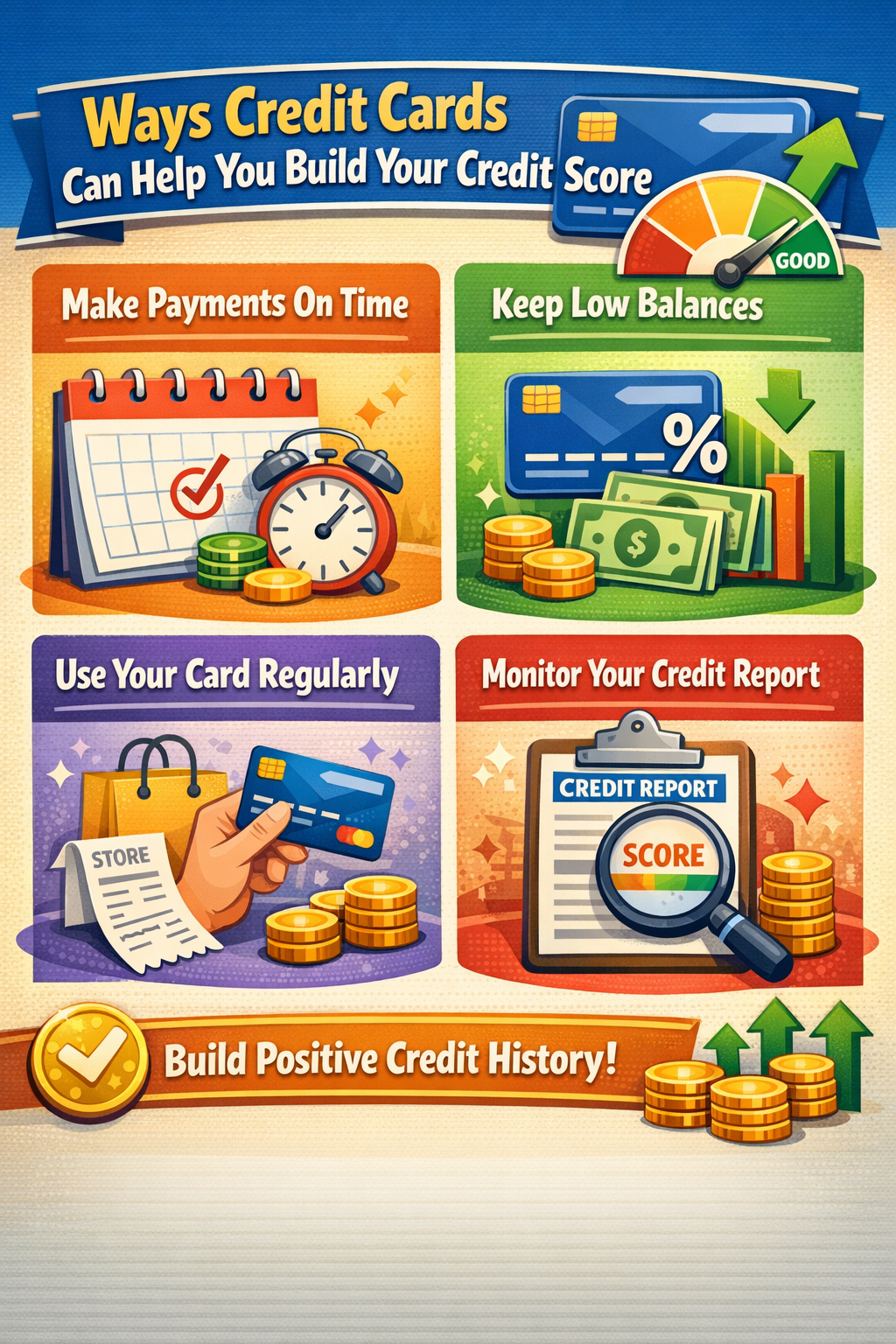
Building a strong credit score isn’t something that happens overnight; it’s the result of consistent, smart financial habits over time. Whether you’re just starting or trying to improve your current score, one tool stands out for its accessibility and effectiveness: the credit card.
When used properly, a credit card can do more than just help you pay for purchases; it can act as a stepping stone toward financial stability. From establishing your credit history to improving your overall credit profile, it plays a key role in how lenders see you.
Let’s break down 6 powerful ways credit cards can help you build your credit score, along with practical advice to help you maximize each benefit.
1. Establishing a Credit History from Scratch
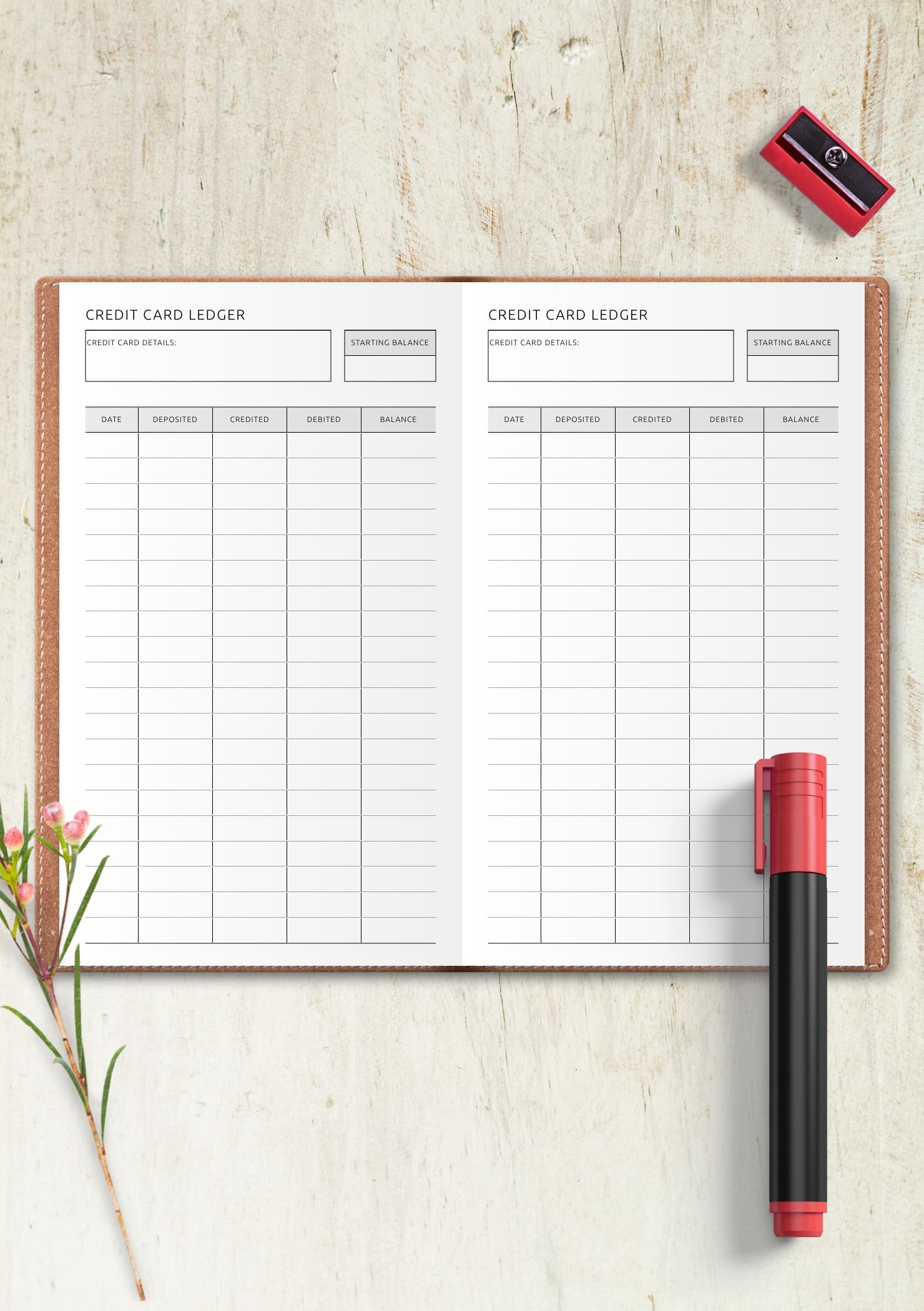
If you’re new to credit, getting approved for loans or financing can be difficult simply because lenders don’t have enough information about you. This is where a credit card becomes incredibly valuable—it helps you create a financial identity, especially when exploring options through a loans marketplace.
By using your credit card regularly and responsibly, you begin to build a record of your borrowing and repayment behavior. Even small, consistent transactions—like paying for groceries, transportation, or monthly subscriptions—can start forming your credit history.
Over time, this history becomes a reference point for banks and financial institutions when evaluating your reliability as a borrower.
Why this matters:
A strong credit history is often required for major financial steps, such as applying for a car loan, home loan, or even renting a property. Without it, your options may be limited.
Simple tip:
Start with manageable expenses and avoid overusing your card early on. Focus on consistency rather than volume, regular, small purchases paid off on time are more effective than large, risky spending.
2. Building a Strong Payment History

Your payment history is the backbone of your credit score. In fact, it makes up the largest portion of most credit scoring models. This means that how consistently you pay your credit card bill has a huge impact on your overall score.
Each time you make a payment on or before the due date, you’re reinforcing a positive pattern. Over months and years, this builds trust with lenders and signals that you are financially responsible.
On the other hand, missed or late payments can have the opposite effect. Even a single late payment can negatively affect your score and stay on your record for years.
Why this matters:
A strong payment history increases your chances of getting approved for loans with better interest rates and terms.
Simple tip:
Set up automatic payments or calendar reminders to ensure you never miss a due date. If possible, aim to pay your full balance instead of just the minimum to avoid interest charges.
3. Keeping Your Credit Utilization Low

Credit utilization refers to how much of your available credit you’re currently using. It’s calculated by dividing your balance by your credit limit, and it’s another major factor that influences your credit score.
For example, if your credit limit is ₱50,000 and your balance is ₱25,000, your utilization rate is 50%—which is considered high.
Experts generally recommend keeping your utilization below 30%, and ideally under 20% for the best results.
Why this matters:
High utilization can signal that you’re overly dependent on credit, which may concern lenders. Low utilization, on the other hand, shows that you’re in control of your finances.
Simple tip:
Pay your balance multiple times a month if needed, especially before your billing cycle ends. This keeps your reported balance low and improves your credit profile.
4. Demonstrating Responsible Credit Management
Beyond just paying your bills, your overall behavior as a credit card user matters. Lenders look at patterns, how you spend, how often you pay, and whether you stay within your limits.
Responsible credit management includes:
- Avoiding unnecessary purchases
- Staying within your credit card limit
- Paying more than the minimum when possible
- Keeping track of your expenses and transactions
These habits demonstrate that you’re not just using credit—but managing it wisely.
Why this matters:
A strong track record of responsible behavior builds confidence among lenders, making it easier for you to qualify for better financial products in the future.
Simple tip:
Create a monthly budget and include your credit card spending in it. Treat your credit card like cash—if it’s not in your budget, don’t swipe.
5. Increasing Your Available Credit Over Time
As you build a positive relationship with your credit card issuer, you may be offered a credit limit increase. This is often a reward for consistent payments and responsible usage.
A higher credit limit doesn’t mean you should spend more; instead, it gives you more flexibility and can improve your credit score when used wisely.
Why this matters:
Increasing your credit limit lowers your utilization ratio, which can have a positive effect on your credit score.
Example:
If your balance is ₱10,000 and your limit increases from ₱20,000 to ₱50,000, your utilization drops from 50% to 20%, a significant improvement.
Simple tip:
Accept credit limit increases only if you’re confident in your spending discipline. Avoid the temptation to increase your spending just because you can.
6. Creating a Long-Term Credit Profile
The length of your credit history is another important factor in your credit score. Simply put, the longer your credit accounts have been active and in good standing, the better it reflects on you.
Your oldest credit card plays a key role in this. Even if you don’t use it frequently, keeping it open can help maintain a longer average credit history.
Over time, a long and stable credit profile shows lenders that you have consistent experience managing credit.
Why this matters:
A longer credit history provides more data for lenders, making you a lower-risk borrower in their eyes.
Simple tip:
Avoid closing your oldest credit card, especially if it has no annual fee. Even occasional use can keep the account active and beneficial to your credit score.
Final Thoughts
Credit cards often get a bad reputation, but the truth is, they’re only as risky as how they’re used. When handled responsibly, they can become one of the most effective tools for building and maintaining a strong credit score.
By understanding these 6 ways credit cards help build your credit score, you can take control of your financial journey:
- Start building your credit history early
- Make every payment on time
- Keep your credit utilization low
- Practice responsible spending habits
- Use credit limit increases wisely
- Maintain long-term accounts
At the end of the day, building good credit isn’t about perfection; it’s about consistency. Small, smart habits practiced over time can lead to big financial opportunities in the future.
Use your credit card wisely, and it won’t just support your spending; it will support your growth.