
 June 29, 2026
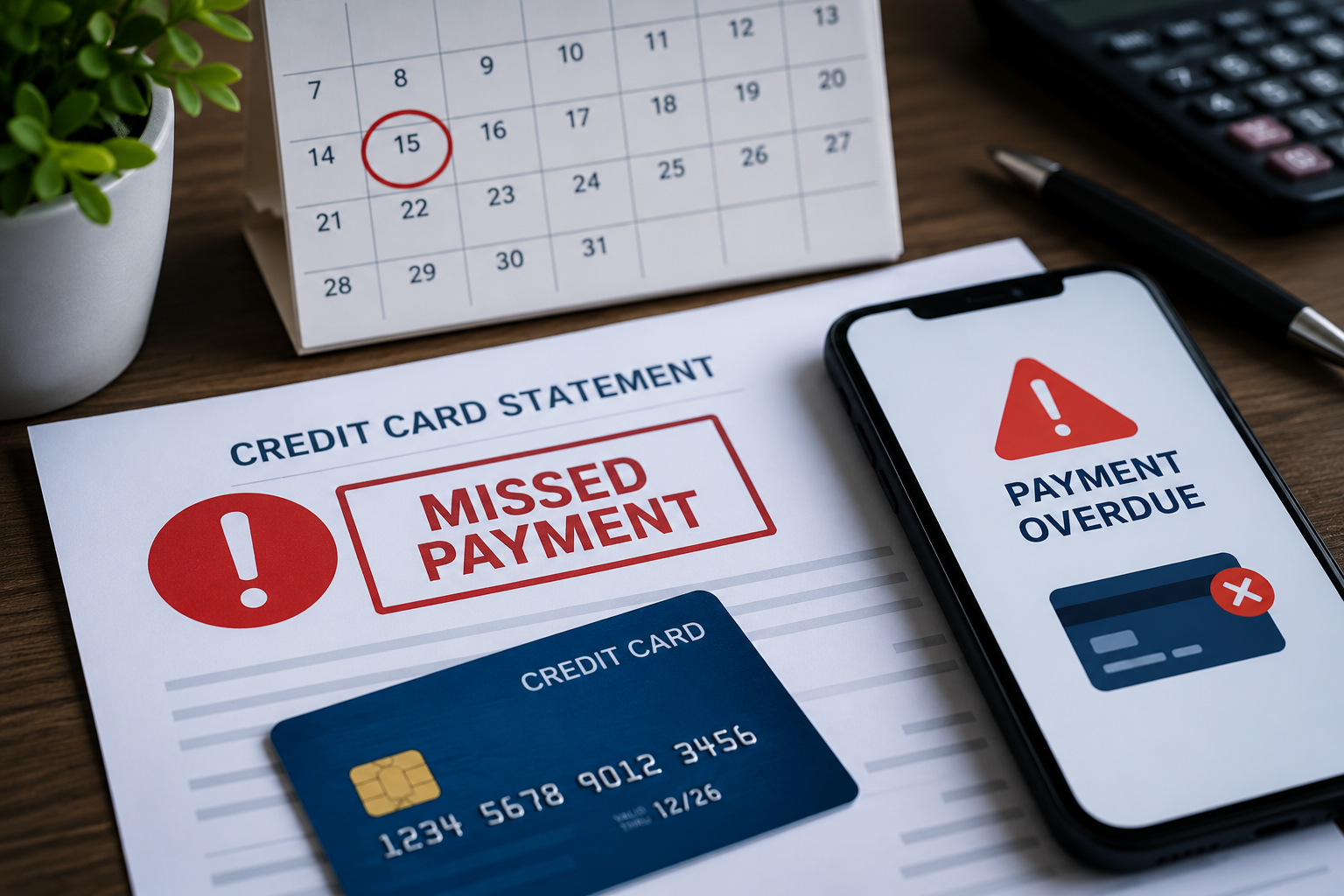
Missing a credit card payment can happen to anyone. Unexpected expenses, a busy schedule, or simply forgetting a due date may cause you to miss a payment. While one missed payment doesn’t necessarily mean long-term financial trouble, it can have consequences that become more serious the longer the payment remains unpaid.
From late fees and interest charges to potential effects on your credit history, understanding what happens after a missed credit card payment can help you respond quickly and minimize the impact.
In this guide, we’ll explain the possible consequences of missing a credit card payment and share practical tips for getting back on track.
What Counts as a Missed Credit Card Payment?
A missed payment occurs when you fail to make at least the minimum payment required by your credit card issuer before the payment due date.
Depending on your card issuer’s policies, even being one day late may result in fees or other account actions.
The consequences generally become more severe the longer the payment remains overdue.

Immediate Consequences of Missing a Payment
1. You May Be Charged a Late Payment Fee
One of the first consequences of a missed payment is a late payment fee.
The amount varies depending on your card issuer and the terms of your credit card agreement.
Repeated late payments may result in additional penalties.
2. Interest Charges Continue to Accumulate
If you’re carrying a balance, interest typically continues to accrue on the unpaid amount.
The longer the balance remains unpaid, the more expensive the debt becomes.
Even if you only missed the minimum payment, the remaining balance can continue generating finance charges.
3. Promotional Interest Rates May Be Affected
Some credit cards offer promotional interest rates for balance transfers or purchases.
Missing a payment may result in losing these promotional benefits, depending on the card issuer’s terms and conditions.
Always review your card agreement to understand how missed payments affect promotional offers.

What Happens If the Payment Remains Unpaid?
The longer you wait, the greater the potential consequences.
After Several Weeks
If the payment remains outstanding, you may receive:
- Payment reminders
- Email notifications
- SMS alerts
- Phone calls from your bank
The purpose of these communications is to encourage payment before the account becomes seriously delinquent.
After 30 Days or More
If the account remains unpaid for an extended period, your credit history may be affected if the lender reports the delinquency to the appropriate credit reporting system.
Potential consequences include:
- Negative payment history
- Lower credit standing
- Reduced approval chances for future credit
Timely payment is one of the most important factors in maintaining a healthy credit profile.
After Several Months
If payments continue to be missed, the account may become seriously delinquent.
Possible outcomes include:
- Collection efforts
- Suspension of charging privileges
- Account closure
- Legal recovery processes, depending on the circumstances
The exact timeline varies among financial institutions.

Can a Missed Payment Affect Your Credit Score?
Yes, it can.
Your payment history is one of the most important factors that may influence your credit score.
A reported late payment can potentially:
- Lower your credit score
- Affect future loan applications
- Reduce approval chances for additional credit cards
- Influence borrowing terms offered by lenders
The severity of the impact depends on factors such as:
- How late the payment becomes
- Your previous payment history
- Your overall credit profile
Other Financial Consequences
Missing a payment can also create additional financial challenges.
Increased Borrowing Costs
Future lenders may view repeated missed payments as a higher lending risk.
This may result in:
- Higher interest rates
- Lower approved credit card limits
- Stricter lending requirements
Reduced Available Credit
Some card issuers may reduce your available credit if they determine that your account presents increased risk.
Financial Stress
Carrying overdue balances often leads to:
- Anxiety
- Budget challenges
- Difficulty managing other financial obligations

What Should You Do If You Miss a Payment?
If you’ve missed a payment, taking action quickly can help reduce the impact.
Pay as Soon as Possible
The sooner you make the payment, the less likely additional fees and interest will accumulate.
Even if you can’t pay the full balance, paying as much as possible may help reduce future interest charges.
Contact Your Card Issuer
If you’re experiencing temporary financial hardship, contact your credit card issuer.
Some lenders may offer:
- Payment arrangements
- Temporary hardship assistance
- Modified repayment schedules
It’s generally better to communicate early rather than ignore the situation.
Review Your Budget
Identify the reason the payment was missed.
Common causes include:
- Overspending
- Unexpected expenses
- Poor budgeting
- Income interruptions
Addressing the underlying issue helps prevent future missed payments.

How to Avoid Missing Future Payments
Developing good financial habits can significantly reduce the risk of future missed payments.
Set Up Automatic Payments
Automatic payments can help ensure at least the minimum payment is made on time.
Use Calendar Reminders
Schedule reminders several days before your due date.
Align Due Dates With Payday
If your issuer allows it, consider adjusting your payment due date to coincide with your salary schedule.
Review Statements Every Month
Checking your statement regularly helps you stay informed about:
- Payment due dates
- Outstanding balances
- Recent transactions
- Available credit
Build an Emergency Fund
Savings can help cover minimum payments during unexpected financial challenges.

Common Myths About Missed Credit Card Payments
Myth 1: One Missed Payment Doesn’t Matter
Even a single missed payment can result in fees and may affect your credit history if it becomes seriously overdue.
Myth 2: Paying the Next Month Fixes Everything
While catching up is important, some consequences—such as late fees or reported delinquencies—may not disappear immediately.
Myth 3: Ignoring Collection Notices Makes Them Go Away
Ignoring overdue accounts generally leads to additional complications.
It’s usually best to communicate with your lender and work toward a repayment solution.
Tips for Maintaining a Healthy Credit Record
To keep your credit profile in good standing:
- Pay every bill on time.
- Keep credit utilization low.
- Avoid carrying excessive balances.
- Monitor your credit report regularly.
- Maintain a realistic monthly budget.
- Build an emergency savings fund.
- Borrow only what you can comfortably repay.
These habits support long-term financial stability and improve your ability to qualify for future credit.
Final Thoughts
Missing a credit card payment can have financial consequences, but the impact often depends on how quickly you respond. A late payment may result in fees, additional interest charges, and, if left unresolved, possible effects on your credit history and future borrowing opportunities.
The best approach is to act promptly by making the payment as soon as possible, contacting your card issuer if you need assistance, and reviewing your budget to prevent future missed payments. With responsible financial habits and proactive planning, you can minimize setbacks and maintain a healthy credit profile over the long term.